
Fact-checked by the onlinepaydaynews.com editorial team
Quick Answer
Debt collector tactics follow predictable scripts designed to pressure you into paying immediately — often using urgency, shame, and legal threats. As of July 2025, the Fair Debt Collection Practices Act (FDCPA) gives you at least 5 specific rights you can invoke to stop harassment, dispute debts, and demand written verification — usually within 30 days of first contact.
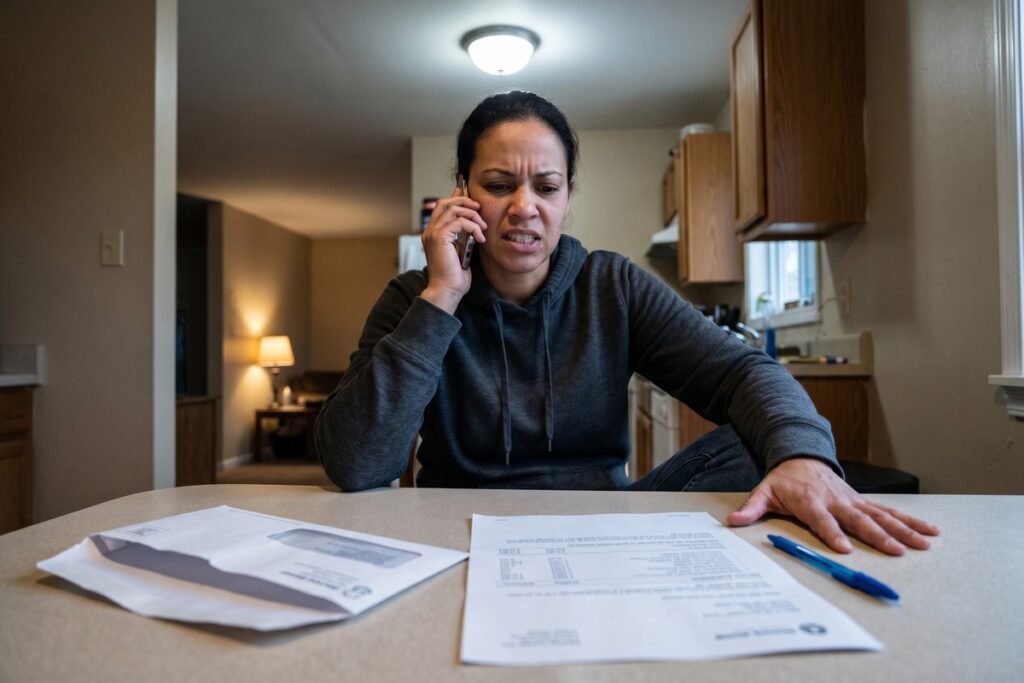
Understanding debt collector tactics is the single most powerful thing you can do when a collections call comes in. In July 2025, the Consumer Financial Protection Bureau (CFPB) estimates that more than 70 million Americans have at least one debt in collections — meaning most households will face a collector at some point. Knowing the scripts they follow — and the laws that govern them — turns every call from a threat into a manageable conversation.
Debt collection complaints remain among the top categories filed with the CFPB every year. In 2023, consumers submitted over 109,000 debt collection complaints to the CFPB, with the most common issues being collectors attempting to collect debts not owed and using abusive or threatening language. These numbers signal that aggressive collector behavior is not rare — it is routine.
This guide is for anyone who has received a collections call, a threatening letter, or a voicemail from an unknown number demanding payment. By the end, you will know the exact words collectors use, the laws that protect you, and the precise steps to shut down every pressure tactic legally and permanently.
Key Takeaways
- The Fair Debt Collection Practices Act (FDCPA), enforced by the Federal Trade Commission, prohibits collectors from calling before 8 a.m. or after 9 p.m. local time.
- You have 30 days from a collector’s first written contact to send a debt validation letter demanding written proof the debt is yours, per the FDCPA.
- Collectors are legally required to stop all collection activity after receiving a written cease-and-desist letter, with limited exceptions, according to CFPB guidance.
- Violating the FDCPA can cost collectors up to $1,000 per lawsuit in statutory damages, plus actual damages and attorney’s fees.
- More than 1 in 3 adults with a credit file have a debt in collections, according to Urban Institute research.
- The statute of limitations on most consumer debts ranges from 3 to 10 years depending on the state — after which collectors cannot sue you to collect.
In This Guide
- What scripts do debt collectors use to pressure you into paying?
- What are your legal rights when a debt collector calls?
- How do you demand debt validation from a collector?
- How do you use a cease-and-desist letter to stop collector calls?
- How do you negotiate with a debt collector without getting taken advantage of?
- How do you report illegal debt collector tactics and take legal action?
- Frequently Asked Questions
Step 1: What Scripts Do Debt Collectors Use to Pressure You Into Paying?
Debt collectors use a small set of well-worn scripts designed to trigger fear, shame, and urgency. Recognizing these patterns in real time is the first step to responding strategically instead of emotionally.
The Most Common Collector Scripts
The “immediate consequences” script is the most frequently used debt collector tactic. A collector will claim that failure to pay today will result in a lawsuit, wage garnishment, or arrest — all without explaining whether any of these outcomes are actually planned or even legally possible.
The “settlement expires today” script creates artificial scarcity. The collector implies a special deal is available only for the next few hours. This is a pressure technique — settlement offers are rarely one-time-only events, and collectors often extend the same deal days or weeks later.
The “I’m just trying to help you” script uses false friendliness. The collector positions themselves as your ally working against the creditor on your behalf. Their actual job is to recover money for the agency or original creditor — not to protect your financial interests.
What to Watch Out For
Many collectors will refuse to identify themselves clearly or give vague information about who they work for. Under the FDCPA, a collector must tell you the name of the collection agency and the original creditor. If they dodge this question, that is a red flag and potentially an FDCPA violation.
Collectors may also claim to be attorneys, law enforcement, or government officials. Impersonating government officials is explicitly illegal under the FDCPA. If someone claims you will be arrested for an unpaid debt, that is almost certainly a scare tactic — civil debt cannot result in arrest in the United States.
Never confirm or repeat back your Social Security number, bank account number, or date of birth to an inbound debt collector call. Scammers often pose as collectors to harvest personal data. Verify the agency independently before providing any personal information.

Step 2: What Are Your Legal Rights When a Debt Collector Calls?
The Fair Debt Collection Practices Act (FDCPA), enacted in 1977 and enforced by the Federal Trade Commission (FTC) and the CFPB, gives consumers a powerful set of legal rights against third-party collectors. Knowing these rights word-for-word changes the dynamic of every call.
Your Core FDCPA Rights
Collectors cannot call you before 8 a.m. or after 9 p.m. in your local time zone. They cannot call your workplace if you tell them your employer prohibits such calls. They cannot use obscene language, make false statements, or threaten actions they cannot legally take.
You have the right to request debt validation within 30 days of the collector’s first written contact. During that window, the collector must pause collection activity until they send written verification of the debt. This is one of the most powerful and underused rights consumers have.
You also have the right to tell a collector to stop contacting you entirely. Once you send a written cease-and-desist request, the collector may only contact you to confirm they will stop or to notify you of a specific legal action — nothing else. If you are unsure about your dispute rights, reviewing what most borrowers get wrong about their right to dispute a loan can help you avoid costly mistakes.
What the FDCPA Does NOT Cover
The FDCPA applies to third-party debt collectors — agencies hired to collect on behalf of a creditor. It does not automatically apply to the original creditor collecting its own debt (your bank calling about your own overdue account). However, many states have their own laws that extend similar protections to original creditors.
“Consumers who know their rights under the FDCPA are significantly more likely to stop harassment quickly. The law gives you real leverage — but only if you use it in writing, not just verbally over the phone.”
The CFPB’s Debt Collection Rule (Regulation F), which took effect in November 2021, updated the FDCPA for the digital age — limiting collectors to 7 calls per week per debt and restricting contact via social media direct messages without prior consent.
Step 3: How Do You Demand Debt Validation From a Collector?
Sending a debt validation letter is the single most effective first move when contacted by a collector. It puts the legal burden on the collector to prove the debt is real, the amount is accurate, and they have the right to collect it.
How to Write and Send a Debt Validation Letter
Send your letter via certified mail with return receipt within 30 days of the collector’s first written contact. The letter should state your name, the account in question, and a clear request for: the name of the original creditor, the amount of the debt including a complete accounting of fees and interest, and proof that the collection agency is authorized to collect this debt in your state.
The CFPB provides a sample debt validation letter you can adapt. Keep a photocopy of everything you send. Do not pay anything while waiting for validation — the collector must pause all collection activity during this period.
What to Watch Out For
The 30-day window is counted from when you received the collector’s first written notice, not from when they first called you. If you miss the window, you can still request validation — the collector just is not legally required to stop collecting while they respond. Act quickly to preserve your full rights.
Also watch for collectors who send incomplete or evasive validation responses. If the documentation they send does not clearly show the original creditor, the debt amount breakdown, and a chain of assignment from original creditor to the current agency, it may not satisfy the legal standard for validation. If the debt cannot be validated, collectors cannot legally continue to pursue it.
Once you have the original creditor’s name from validation, pull your credit reports at AnnualCreditReport.com to confirm the debt appears there. If it appears differently than the collector’s records show, that discrepancy is grounds for a formal dispute with both the collector and the credit bureaus.
| Debt Collector Tactic | What They Say | Your Legal Counter-Move |
|---|---|---|
| Urgency Pressure | “Pay today or we file suit tomorrow.” | Ask for everything in writing. Lawsuits require a court filing — verify before reacting. |
| Debt Ownership Confusion | “You owe us this money.” | Send a debt validation letter within 30 days to force them to prove ownership. |
| Inflated Amount | “The total with fees is $4,200.” | Request an itemized accounting of all fees, interest, and original principal in writing. |
| Harassment by Call Volume | Multiple calls daily. | Cite CFPB Regulation F: collectors are limited to 7 calls per week per debt. |
| Threat of Arrest | “We can have you arrested.” | You cannot be arrested for civil debt in the U.S. File an FDCPA complaint immediately. |
| Fake Urgency Settlement | “This offer expires in 24 hours.” | Do not act under pressure. Negotiate in writing on your own timeline. |
Understanding how collectors document and assign debts also connects to what happens when a lender’s business changes hands — a topic covered in detail in our guide on what happens to your loan agreement when a lender goes bankrupt.
Step 4: How Do You Use a Cease-and-Desist Letter to Stop Collector Calls?
A written cease-and-desist letter is a legally binding instruction that forces a collector to stop contacting you. Once received, the FDCPA permits only two types of follow-up contact: confirming no further contact, or notifying you of a specific legal action such as filing a lawsuit.
How to Send a Cease-and-Desist Letter
Write a brief, firm letter stating your name, the account in question, and a direct instruction: “Cease all communication with me regarding this debt.” Sign and date it. Send it via certified mail with return receipt so you have legal proof of delivery. Keep the green return card as documentation.
Do not explain your reasons or negotiate in this letter. A cease-and-desist is not an admission that you owe the debt. It is simply an exercise of your legal right to stop harassment. You can always choose to negotiate separately at a time and in a format that suits you.
What to Watch Out For
A cease-and-desist letter stops communication but does not eliminate the debt. If the collector or original creditor decides to sue you, they still can. A cease-and-desist may actually accelerate that decision in some cases — particularly for larger debts where litigation makes financial sense for the creditor. Weigh this before sending one on a large, valid debt you intend to pay eventually.
According to the FTC’s Consumer Sentinel Network Data Book, debt collection was the second most reported fraud and complaint category in 2023, with consumers reporting over $10 billion in total losses from debt-related fraud and harassment combined.

Step 5: How Do You Negotiate With a Debt Collector Without Getting Taken Advantage of?
Negotiating with a debt collector can result in paying significantly less than the full amount owed — but only if you negotiate strategically, in writing, and with a clear understanding of your position. Many collectors purchase old debts for as little as 4 cents on the dollar, giving them substantial room to settle.
How to Negotiate a Settlement
Start by determining whether the debt is within the statute of limitations for your state. If it is past the deadline, collectors cannot sue you to collect. This dramatically shifts negotiating power to your side. State statutes of limitations range from 3 to 10 years — check your state’s specific rules through your state attorney general’s office.
Make a written settlement offer — never agree verbally. Offer a lump sum if possible. Collectors respond better to a one-time payment than to a payment plan. A common starting offer is 25–40% of the stated balance. Do not reveal how much you can actually pay until you need to. Get any agreed settlement in writing before you send a single dollar.
Protecting Your Credit During Negotiation
Ask the collector to include a “pay-for-delete” agreement in writing — meaning they agree to remove the collection account from your credit report upon payment. Not all collectors will do this, and the major credit bureaus (Equifax, Experian, and TransUnion) do not require it. But some collectors agree. If you are rebuilding credit after dealing with collections, review the common credit-building mistakes people make after paying off a collection before you finalize any deal.
“Always get a settlement agreement in writing before paying a penny. Verbal promises from collectors are unenforceable. The written agreement is your only real protection once money changes hands.”
If you are considering paying a settled debt, first check whether the settled amount is above $600. The IRS may treat forgiven debt as taxable income. The collector may send you a 1099-C form, and you may owe taxes on the forgiven amount. Consult a tax professional before finalizing large settlements.
If you are unsure whether an offer is genuine or a scam, learning how to spot a fake loan company before you apply can sharpen your ability to identify illegitimate operations posing as collectors.
Step 6: How Do You Report Illegal Debt Collector Tactics and Take Legal Action?
If a collector has violated the FDCPA — whether through harassment, false threats, or illegal contact hours — you have the right to file complaints with federal regulators and potentially sue the collector in court for damages. These are real, enforceable remedies.
Where and How to File a Complaint
File a complaint with the CFPB at ConsumerFinance.gov. You can also file with the FTC at ReportFraud.ftc.gov and with your state attorney general’s office. Keep records of every violation: dates, times, the collector’s name, what was said, and any documentation. These records are the foundation of any legal action.
You can also use the CFPB complaint database to research complaints filed against a specific collection agency before you engage with them. This can help you identify whether a collector has a pattern of violations.
Suing a Debt Collector Under the FDCPA
The FDCPA allows you to sue a collector in state or federal court within one year of the violation. If you win, you are entitled to statutory damages of up to $1,000 per lawsuit, any actual damages you suffered (such as lost wages or medical costs), and the collector must pay your attorney’s fees. This fee-shifting provision means many consumer rights attorneys will take FDCPA cases at no upfront cost to you.
What to Watch Out For
Do not confuse filing a complaint with taking legal action. Complaints with the CFPB or FTC help regulators identify patterns and can prompt enforcement — but they do not directly get you money. Only a lawsuit does that. An attorney specializing in consumer law can evaluate whether your case has merit and guide you through the process.
Debt collector tactics that violate the FDCPA are more common than most people realize. The National Consumer Law Center reports that fewer than 5% of consumers who are harassed by collectors ever file a formal complaint or pursue legal action — meaning violating collectors rarely face consequences.
Frequently Asked Questions
Can a debt collector garnish my wages without suing me first?
No — a debt collector cannot garnish your wages without first winning a judgment against you in court. Wage garnishment requires a legal process: the collector must file a lawsuit, win, and obtain a court order before any money can be taken from your paycheck. If a collector threatens wage garnishment without mentioning a lawsuit, that threat may itself violate the FDCPA.
What should I say when a debt collector calls me?
Say as little as possible on an inbound call. State your name, ask for the collector’s name and agency, and tell them to send everything in writing. Do not confirm the debt, make any payment, or give personal financial details over the phone. Say: “Please send all communication in writing to my address.” Then hang up and wait for written contact before taking further action.
How do I know if a debt is too old to collect on?
Every state sets its own statute of limitations on consumer debt — typically between 3 and 10 years from the date of last activity or last payment. Once the statute expires, a collector can still contact you, but they cannot legally sue you to collect. Check your state attorney general’s website for your specific limit. Making even a small payment on an old debt can restart the clock in many states.
Can a debt collector contact my family members or employer about my debt?
A collector can contact a third party only to locate you — and can make that type of contact only once. They cannot tell your employer, family members, or neighbors that you owe a debt. Disclosing your debt to a third party is a direct FDCPA violation, and you can sue for damages if it occurs.
What happens if I ignore all debt collector calls and letters?
Ignoring a collector does not make the debt disappear. The collector may sue you in court, and if you do not respond to the lawsuit, a default judgment will be entered against you. A judgment gives the collector legal tools like wage garnishment or bank account levies. Ignoring contact is almost never the best strategy — engaging in writing, exercising your rights, and negotiating when appropriate typically produces better outcomes.
Should I pay a debt that is past the statute of limitations?
This requires careful consideration. Paying an old debt does not automatically benefit your credit score — collection accounts with a zero balance may still appear on your credit report until the 7-year reporting window expires. However, paying the debt eliminates legal risk and may improve credit scoring models that factor in paid versus unpaid collections. Review our guide on whether to pay off collections or let them age off your credit report for a detailed breakdown of both strategies.
Can a debt collector sue me even after I send a cease-and-desist letter?
Yes. A cease-and-desist stops communication, not legal action. A collector can still file a lawsuit after receiving your letter — they simply cannot call or write to you about the debt. If you receive a court summons, respond by the deadline regardless of your cease-and-desist letter. Ignoring a lawsuit because you thought you were protected can result in a default judgment against you.
What is debt collector “re-aging” and is it illegal?
Re-aging is the illegal practice of updating the date of last activity on an old account to make it appear newer on your credit report. This resets the 7-year reporting window and keeps a collection account on your report longer than legally allowed. Re-aging violates both the FDCPA and the Fair Credit Reporting Act (FCRA). If you spot a re-aged account, dispute it with all three major credit bureaus immediately and file a CFPB complaint.
How do I find out who owns a debt that has been sold multiple times?
Send a debt validation letter to the current collector and specifically request the complete chain of assignment — every sale and transfer from the original creditor to the current agency. Each transfer must be documented. If the collector cannot provide this chain, they may not legally be able to collect the debt. Reviewing your credit report at AnnualCreditReport.com can also show you which agency currently reports the account.
Do debt collector tactics differ for medical debt versus credit card debt?
The FDCPA applies to both, but medical debt has different credit reporting rules as of 2024. Medical debts under $500 can no longer appear on credit reports under rules proposed by the CFPB, and the major credit bureaus have already removed most medical collection accounts. Credit card debt remains fully reportable. The negotiation leverage also differs — medical debt is often more negotiable because original providers rarely sell medical accounts for full value.
Sources
- Consumer Financial Protection Bureau — Debt Collection Consumer Tools
- Federal Trade Commission — Fair Debt Collection Practices Act Full Text
- CFPB — What Is a Debt Collector?
- CFPB — What Should I Do When a Debt Collector Contacts Me?
- Federal Trade Commission — Consumer Sentinel Network Data Book 2023
- Urban Institute — Debt in America’s Communities
- AnnualCreditReport.com — Free Federal Credit Reports
- National Consumer Law Center — Fair Debt Collection Resources
- Federal Trade Commission — Report Fraud Portal
- CFPB — Debt Collection Practices: Regulation F Final Rule