

Fact-checked by the onlinepaydaynews.com editorial team
Imagine pulling your credit report and finding a collection account that isn’t yours — or a late payment from a lender you’ve never used. Your stomach drops. Then you discover this single error may be costing you thousands of dollars in higher interest rates. The debate over credit repair company vs self dispute isn’t just academic — it’s a decision with real, measurable financial consequences that millions of Americans face every year.
The scale of the problem is staggering. According to a landmark Federal Trade Commission study on credit report accuracy, roughly 1 in 5 Americans — that’s about 42 million people — has at least one error on their credit report. Of those, 1 in 20 has an error serious enough to result in a denial of credit or a significantly worse interest rate. A single percentage point difference on a 30-year mortgage can cost over $30,000 in additional interest payments over the life of the loan. The stakes are not small.
This guide breaks down exactly what you get when you hire a credit repair company versus when you dispute errors yourself. You’ll learn the real costs, the legal rights you already have, the timelines involved, and the red flags that separate legitimate services from outright scams. By the end, you’ll have a clear, data-backed answer for your specific situation — and a step-by-step action plan to get started today.
Key Takeaways
- The FTC estimates that 20% of consumers have at least one credit report error — and 5% have errors severe enough to affect loan approvals.
- Credit repair companies typically charge $79–$149 per month, with average total costs ranging from $400 to $1,500 per engagement over 3–6 months.
- The Fair Credit Reporting Act (FCRA) gives every consumer the right to dispute errors for free — credit bureaus must investigate within 30 days at no charge to you.
- Legitimate credit repair companies cannot do anything you cannot legally do yourself — the Credit Repair Organizations Act (CROA) explicitly bans them from making false promises.
- DIY disputes resolve successfully in roughly 70% of cases when consumers follow up properly, according to Consumer Financial Protection Bureau data.
- Hiring a reputable credit repair firm may save time and reduce errors in complex multi-bureau disputes, but can cost $600–$1,500 more than the free DIY route over a 6-month period.
In This Guide
- Understanding Credit Report Errors and Their Impact
- Your Legal Rights Under the FCRA and CROA
- How the DIY Dispute Process Works
- What Credit Repair Companies Actually Do
- Cost Comparison: Credit Repair Company vs Self
- Effectiveness and Real-World Outcomes
- Scams, Red Flags, and Illegal Practices
- When Hiring a Company Makes Sense
- When to Dispute Errors Yourself
- Handling Complex or High-Stakes Credit Situations
Understanding Credit Report Errors and Their Impact
Credit report errors are not rare edge cases. They are a systemic, well-documented problem affecting tens of millions of Americans. Understanding what you’re dealing with is the first step toward fixing it effectively.
The Most Common Types of Errors
Credit report errors generally fall into four categories: identity errors, incorrect account status, data management errors, and balance inaccuracies. Identity errors include wrong names, addresses, or Social Security numbers — sometimes caused by mixed files between consumers with similar names. Incorrect account status includes accounts marked as delinquent that were paid on time, or open accounts that should be closed.
Data management errors are particularly sneaky. These occur when accurate negative information is re-reported after being removed, a practice known as “re-aging.” According to the Consumer Financial Protection Bureau, re-aging of debts is among the most complained-about issues in credit reporting.
Balance inaccuracies can inflate your reported credit utilization ratio. If your actual balance is $500 but your report shows $2,000, your credit score could be artificially suppressed by 20–50 points, depending on your overall profile.
The Financial Cost of Unresolved Errors
A credit score difference of just 50 points can shift you from a “good” interest rate bracket to a “fair” one. On a $25,000 auto loan over 60 months, that shift can mean paying an extra $2,500–$4,000 in total interest. On a $300,000 mortgage, the same error could cost you $50,000 or more over 30 years.
Errors also affect insurance premiums in many states, employment background checks, and rental applications. The true cost of ignoring a credit report error is rarely a one-time loss — it compounds across every financial decision you make.
The FTC found that 5.2% of consumers had errors on their credit reports significant enough to cause them to pay more for credit products. At an average loan cost increase of $1,300 per affected consumer, that adds up to roughly $54 billion in excess interest charges annually across the U.S.
Your Legal Rights Under the FCRA and CROA
Before you spend a single dollar on credit repair, you need to understand the legal framework that protects you. These laws are powerful, and most consumers have no idea how much leverage they already hold.
The Fair Credit Reporting Act (FCRA)
The Fair Credit Reporting Act (FCRA), enacted in 1970 and significantly updated in 2003, is the cornerstone of consumer credit rights in the United States. Under the FCRA, you have the right to a free copy of your credit report from each of the three major bureaus — Equifax, Experian, and TransUnion — once every 12 months at AnnualCreditReport.com. You also have the right to dispute any inaccurate or incomplete information, and the bureau must investigate your claim within 30 days.
If a bureau fails to correct a verified error, you can sue for actual damages, statutory damages up to $1,000 per violation, and attorney fees. These are not empty threats — class-action lawsuits against the major bureaus over FCRA violations have resulted in settlements worth hundreds of millions of dollars.
Critically, the FCRA applies to the bureaus AND to the data furnishers — the lenders, collectors, and servicers who report your data. You can dispute directly with the furnisher as well as the bureau, and this dual-track approach is one of the most effective strategies available to consumers.
The Credit Repair Organizations Act (CROA)
The Credit Repair Organizations Act (CROA), passed in 1996, specifically governs for-profit credit repair companies. It prohibits them from making any false or misleading claims about their services, charging fees before services are fully performed, and advising consumers to dispute accurate information. Violations of CROA entitle you to actual damages, punitive damages, attorney fees, and the right to cancel any contract within three business days at no cost.
Understanding CROA is critical because it defines the ceiling of what a credit repair company can legally do. If a company promises to remove accurate negative information or create a “new” credit identity, they are not just lying — they are breaking federal law. You should know this before you pay anyone a cent.
Under the CROA, any credit repair contract is automatically voidable if the company fails to include specific disclosure statements — including the notice that “You have a right to dispute inaccurate information in your credit report by contacting the credit bureau directly.” Companies that skip this disclosure have no legal basis to collect fees.
How the DIY Dispute Process Works
The self-dispute process is free, legally protected, and more straightforward than most people expect. The key is knowing the exact steps and following them systematically.
Step 1: Obtain and Review Your Reports
Pull your reports from all three major bureaus simultaneously. Errors often appear on only one or two bureau reports, not all three, since furnishers sometimes report to selective bureaus. Review each line item carefully: account numbers, open/close dates, payment history, balances, and personal identification information. Document every discrepancy with screenshots or printed copies, noting the bureau, account name, and specific error type.
Look especially for quiet credit score killers that many consumers overlook — like duplicate accounts, incorrect credit limits, or outdated collection entries that should have aged off after seven years.
Step 2: File Your Dispute
Submit disputes in writing — either online through each bureau’s dispute portal or via certified mail. Written disputes create a paper trail that is essential if you need to escalate. Your dispute letter should identify the specific item, explain why it is inaccurate, and include supporting documentation (bank statements, payment confirmations, identity documents).
The bureau has 30 days to investigate — extended to 45 days if you submit additional documentation during the investigation window. They must contact the furnisher, review the evidence, and either correct, delete, or verify the item. You receive written results within 5 business days of the investigation’s completion.
Escalating When Disputes Fail
If the bureau “verifies” an error you know is wrong, escalate immediately. File a dispute directly with the data furnisher under Section 623 of the FCRA. Submit a complaint with the CFPB complaint portal — companies take these seriously because the CFPB tracks response rates and publishes them publicly. You can also add a 100-word consumer statement to your file explaining the dispute, which is visible to lenders pulling your report.
If the error persists, consult a consumer rights attorney. Many work on contingency for FCRA cases, meaning no upfront cost to you. This is also a good moment to review our guide on using the CFPB complaint database to research whether a company has a pattern of bad reporting behavior.
Always send dispute letters via certified mail with return receipt requested. This gives you legally admissible proof of the date the bureau received your dispute — critical if you later need to prove they violated the 30-day investigation deadline.

What Credit Repair Companies Actually Do
Understanding the credit repair company vs self debate requires an honest assessment of what these firms provide — and what they cannot legally promise.
The Core Services They Offer
Credit repair companies typically offer a bundle of services: pulling and reviewing your reports from all three bureaus, identifying disputable items, drafting and submitting dispute letters on your behalf, following up on pending disputes, and providing monthly status updates. Some also offer credit monitoring, identity theft alerts, and credit counseling as add-ons.
The administrative convenience is real. Managing disputes across three bureaus, tracking 30-day windows, and maintaining documentation for multiple accounts simultaneously is time-consuming. For someone with 15 disputable items across all three bureaus, a professional process can feel significantly more manageable than a DIY approach.
What They Cannot Do
Here is the critical limitation: no credit repair company can legally remove accurate information from your credit report. A verified late payment, a legitimate collections account, a bankruptcy — these stay on your report for the legally mandated period (7 years for most negative items, 10 years for Chapter 7 bankruptcy) regardless of what you pay. Any company claiming otherwise is either lying to you or using tactics that may later create legal problems for you.
Some disreputable firms advise clients to “dispute everything” — submitting blanket challenges to all negative items hoping some stick. This practice wastes your dispute cycles and may be flagged as frivolous by the bureaus, resulting in rejected disputes without investigation.
“Credit repair companies often charge hundreds of dollars for services consumers can do themselves for free. Under the Fair Credit Reporting Act, you already have the right to dispute inaccurate information directly with credit bureaus — and those bureaus are required to investigate at no cost to you.”
Legitimate Value vs Marketing Hype
A legitimate credit repair firm adds value in specific, narrow circumstances: when disputes require legal expertise, when multiple complex accounts need coordinated management, or when a consumer genuinely lacks the time or confidence to handle the process. Outside those scenarios, the marketing often overpromises what is legally achievable.
For a deeper analysis of how these services compare on consumer protection, see our comprehensive breakdown of credit repair companies vs DIY approaches and which actually protects you more.
Cost Comparison: Credit Repair Company vs Self
Money is the most tangible dimension of the credit repair company vs self decision. The numbers reveal a significant gap in cost — and a nuanced picture of what you’re actually buying.
Breaking Down Credit Repair Company Fees
Most credit repair companies charge a monthly fee ranging from $79 to $149, often with an initial setup or “first work” fee of $99 to $199. Engagements typically last 3 to 6 months, though some consumers stay enrolled for 12 months or longer for ongoing monitoring. The total cost for a standard engagement runs $400 to $1,500 or more.
Premium services from larger firms like Lexington Law or CreditRepair.com can run $99–$129 per month at the basic tier, with premium plans reaching $139–$149 per month. Over six months at a mid-tier price, that’s $750 to $900 in fees — before the initial setup charge.
| Provider Type | Monthly Fee | Setup Fee | 6-Month Total |
|---|---|---|---|
| DIY (Self) | $0 | $0 | $0 |
| Budget Credit Repair Firm | $79 | $99 | $573 |
| Mid-Tier Firm | $99–$119 | $149 | $743–$863 |
| Premium Firm | $129–$149 | $179–$199 | $953–$1,093 |
| Credit Attorney | Varies | Varies | $1,500–$5,000+ |
The Hidden Costs of DIY
The DIY route isn’t entirely free in terms of resources. Expect to spend 5 to 15 hours on the initial review and dispute filing, plus 1 to 3 hours per month on follow-up and tracking. If your time is worth $30 to $50 per hour professionally, a thorough 6-month DIY campaign represents $300 to $900 in opportunity cost. This doesn’t change the financial outcome — the disputes themselves cost nothing — but it’s an honest accounting of what’s involved.
Additionally, some consumers find it worth paying for a reputable credit monitoring service ($10–$20 per month) to track score changes in real time during the dispute process. Even with this add-on, the 6-month DIY total rarely exceeds $120 — roughly 85–90% less than a professional firm.
Americans collectively spend an estimated $3.5 billion annually on credit repair services, according to industry research. Approximately 30% of that spending goes to companies later investigated or sanctioned for deceptive practices — meaning roughly $1 billion per year flows to firms engaged in questionable behavior.
Cost vs. Outcome: Is the Premium Worth It?
The cost premium for professional credit repair is only justifiable if it produces meaningfully better outcomes. The evidence on this is mixed at best. Studies and CFPB data suggest that dispute success rates for legitimate errors are high regardless of who files the dispute — meaning you’re largely paying for convenience and process management, not for superior results.
| Factor | DIY Dispute | Credit Repair Company |
|---|---|---|
| Cost (6 months) | $0–$120 | $573–$1,093 |
| Time Investment | High (10–20 hrs) | Low (2–4 hrs) |
| Legal Authority | Full FCRA rights | Same FCRA rights |
| Dispute Success Rate | ~70% for valid errors | ~70–75% for valid errors |
| Risk of Scam | None | Moderate (industry has high fraud rate) |
| Complexity Handling | Moderate | High (with reputable firm) |
Effectiveness and Real-World Outcomes
What does the data actually say about results? The answer is more nuanced than either side of the debate tends to admit.
DIY Dispute Success Rates
CFPB research shows that when consumers submit well-documented disputes for genuine errors, the success rate is approximately 70%. The key variable is documentation quality. Disputes submitted without supporting evidence have a significantly lower success rate — often under 30%. This means the effectiveness of DIY depends heavily on the consumer’s preparation and follow-through.
Disputes resolved in favor of the consumer result in an average credit score increase of 11 to 25 points, according to CFPB data. In high-impact cases — where a major collection account or identity theft-related entry is removed — score increases of 40 to 100 points have been documented within one to two reporting cycles.
Credit Repair Company Outcomes
Industry data on credit repair company outcomes is notoriously difficult to verify independently. Most firms cite their own success metrics, which lack third-party validation. The FTC and CFPB have both warned that many companies measure “items removed” without distinguishing between errors that should have been removed and accurate items that were temporarily deleted only to be re-verified and reinserted.
A 2019 investigation by the Consumer Reports National Research Center found that among consumers who hired credit repair companies, average score improvements were modest — typically 10 to 40 points — and did not significantly outperform outcomes among motivated DIY consumers dealing with comparable error profiles.
“The vast majority of what credit repair companies do is submit dispute letters — something any consumer can do themselves for free. The value-add, when it exists, is usually in organization and persistence, not in any proprietary legal mechanism.”
Timeline Expectations
Regardless of who files the dispute — you or a company — the bureaus are bound by the same 30-day investigation window under the FCRA. There is no legal mechanism that allows a credit repair company to accelerate this timeline. Legitimate score improvements typically materialize within 45 to 90 days of a successful dispute, as bureaus and lenders sync updated data.
Complex cases involving multiple errors, identity theft, or legal action can take 6 to 12 months to fully resolve. In these situations, a consumer law attorney (not a standard credit repair company) may provide meaningful value that justifies professional fees.

Scams, Red Flags, and Illegal Practices
The credit repair industry has a well-documented fraud problem. Knowing the warning signs can save you hundreds or thousands of dollars — and prevent you from becoming complicit in illegal activity.
Classic Credit Repair Scams
The most prevalent scam involves promises to remove accurate negative information. No company can legally or legitimately remove a verified bankruptcy, foreclosure, or genuine late payment before its legally mandated removal date. If a company promises otherwise, walk away immediately.
Another widespread fraud involves “credit privacy numbers” (CPNs) — nine-digit numbers marketed as a way to create a fresh credit identity. Using a CPN instead of your Social Security number on credit applications is federal fraud. Companies selling CPNs have been prosecuted and shut down by the FTC and DOJ. The consumers who used them have also faced legal consequences.
Any company that asks you to pay fees upfront before performing any services is violating the Credit Repair Organizations Act. Under CROA, credit repair companies MUST complete the promised services before charging you. Upfront fees are not just suspicious — they are illegal.
Red Flags to Watch For
Be extremely cautious of companies that guarantee specific point increases, claim to dispute “anything and everything” regardless of accuracy, pressure you not to contact the bureaus yourself, or refuse to explain exactly what they will do. Legitimate companies welcome informed clients and are transparent about the limitations of what they can legally achieve.
Check a company’s standing before engaging. Search the CFPB complaint database and your state attorney general’s website for complaints. The FTC maintains a list of enforcement actions against credit repair companies that is worth reviewing. You can also learn how to protect yourself from related financial scams by reviewing how loan scams target vulnerable consumers with similar deceptive tactics.
| Red Flag | Why It Matters | Legal Violation |
|---|---|---|
| Upfront fees before service | Illegal under CROA | CROA Section 404 |
| Guaranteed score increases | Impossible to guarantee legally | FTC Act Section 5 |
| Credit privacy numbers (CPNs) | Federal identity fraud | 18 U.S.C. § 1028 |
| Dispute accurate information | FCRA violation and consumer risk | CROA Section 404(b) |
| No written contract | Required by federal law | CROA Section 406 |
When Hiring a Company Makes Sense
Despite the risks, there are genuine scenarios where professional credit repair assistance provides value that outweighs the cost. The key is matching the right type of help to your specific situation.
Complex Multi-Bureau Errors
If you have 10 or more disputable items spread across all three bureaus — particularly involving identity theft, mixed credit files, or medical debt errors — the administrative complexity of managing simultaneous disputes can be genuinely overwhelming. A reputable firm’s case management infrastructure may save significant time and reduce the risk of errors in your own documentation.
Identity theft victims in particular may benefit from professional assistance. When someone has opened 15 fraudulent accounts in your name across multiple lenders and three credit bureaus, coordinating simultaneous disputes, fraud alerts, and credit freezes is a part-time job. The FTC’s IdentityTheft.gov provides a free personal recovery plan, but some victims still find value in professional coordination support.
When Time Is the Primary Constraint
If you’re preparing for a major financial event — a mortgage application, business financing, or auto purchase — within 90 to 120 days, and you have documented errors that need urgent resolution, a professional firm that specializes in expedited dispute management may justify its fees. Even a 20-point score improvement before a $300,000 mortgage application could save you more than the firm’s total fee in lower interest costs.
However, even in this scenario, understand that the bureaus are not legally required to expedite their investigation timeline for anyone — professional firm or individual. Managing your expectations about what “fast” means is critical before you spend money on urgent services.
Nonprofit credit counseling agencies — which are distinct from for-profit credit repair companies — often provide free or low-cost credit review and dispute assistance. The National Foundation for Credit Counseling (NFCC) has over 1,700 certified counselors nationwide and charges no fees for basic credit report review services.
When to Dispute Errors Yourself
For the majority of consumers facing the credit repair company vs self decision, the DIY route is the stronger choice — financially, legally, and practically.
Straightforward, Documented Errors
If your errors are clear-cut — a payment marked late when your bank records show on-time payment, an account that isn’t yours, or a collection that’s past the 7-year reporting limit — the DIY dispute process is well within reach. These cases typically require only a well-written dispute letter and supporting documentation. The bureau is legally required to investigate, and your success rate is high.
The FCRA gives you exactly the same legal authority to demand investigation as any credit repair company. You don’t need a proxy to exercise your rights. Many consumers are surprised to discover that a single clear, documented dispute letter produces results in 30 to 45 days without any professional involvement.
When You Have Time and Are Willing to Learn
If you can dedicate 10 to 15 hours over a few months to learning the process and managing your disputes, the financial savings are substantial. Consider what you could do with $700 to $1,000 that you’d otherwise spend on a credit repair firm. That money could pay down high-interest debt — which would improve your credit score more reliably than almost any dispute outcome. Understanding whether to pay off collections or let them age off your report is another strategic consideration that often has more impact than disputing minor errors.
Free resources for learning the DIY dispute process include the CFPB’s consumer guides, NCLC consumer law resources, and your state attorney general’s consumer protection division. The investment in learning pays dividends on every credit decision you make for the rest of your life.
Handling Complex or High-Stakes Credit Situations
Some credit repair scenarios go beyond simple error disputes. These situations require a different level of expertise — and sometimes, legal representation rather than a credit repair company.
When You Need a Consumer Law Attorney, Not a Credit Repair Firm
If a bureau refuses to correct a verified error after your initial dispute and CFPB complaint, your next step is legal — not administrative. Consumer rights attorneys specializing in FCRA litigation can file suit against bureaus and furnishers. These cases often settle quickly because the defendants face real financial exposure: actual damages, statutory damages up to $1,000 per violation, and attorney fees paid by the defendant if you win.
FCRA attorneys typically work on contingency, meaning you pay nothing upfront. This is fundamentally different from credit repair companies, which charge you regardless of outcome. If your situation involves a bureau ignoring a valid dispute, an attorney is a better investment than any credit repair subscription.
Medical Debt and the New Reporting Rules
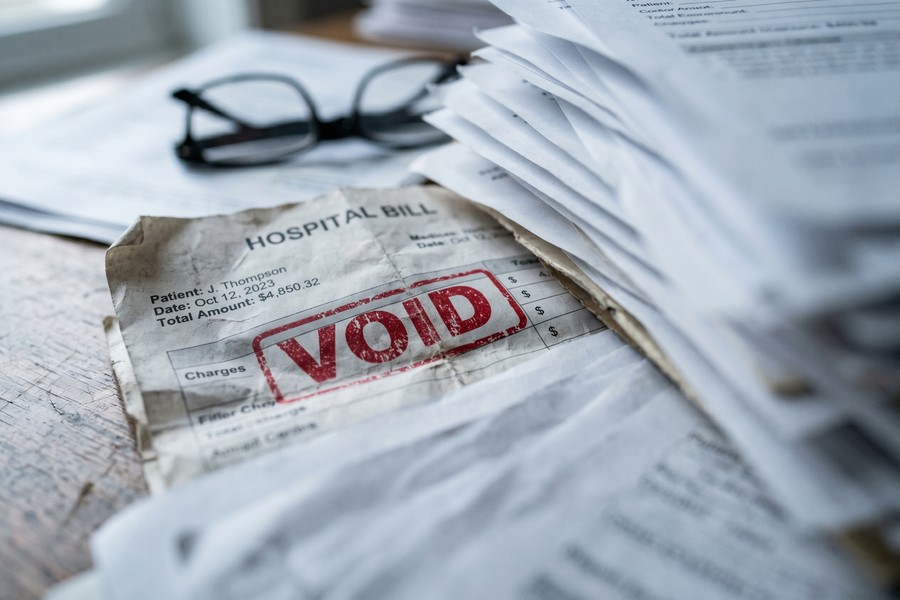
Major changes to medical debt reporting have shifted the landscape significantly. As of 2023, medical debt under $500 was removed from credit reports by the three major bureaus voluntarily. The CFPB finalized a rule in January 2025 to remove medical debt from credit reports entirely — though legal challenges may affect implementation. If you have medical debt on your report, reviewing current regulations before disputing is essential, as some of this debt may already be scheduled for removal.
For consumers dealing with medical emergencies that have created debt beyond credit reporting issues, our guide on short-term loans after medical bills addresses broader financial recovery strategies alongside credit repair steps.
“Many consumers don’t realize that when the credit bureau fails to correct a verifiable error, they have a right to sue — and they often win. The FCRA is one of the most powerful consumer protection statutes in federal law, and it’s almost never used to its full potential by the people it was designed to protect.”
When Collections Are Involved
Collections disputes involve both the original creditor and the collection agency — each of which has separate reporting obligations under the FCRA and the Fair Debt Collection Practices Act (FDCPA). A debt that is too old to report legally, or a collection account with inflated balances, or a debt you never owed in the first place — each scenario has a specific legal remedy. Understanding which debt collection tactics are illegal gives you additional leverage in complex collections disputes.
Under the FCRA, if a data furnisher cannot verify the accuracy of reported information within the 30-day investigation window, the bureau must delete the entry — regardless of whether the underlying debt is real. This is why documented, properly timed disputes can be effective even for legitimate debts that are poorly documented by the creditor.
Real-World Example: How Marcus Saved $847 and Improved His Score 61 Points With DIY Disputes
Marcus, a 34-year-old logistics coordinator in Charlotte, NC, discovered three significant errors on his Equifax credit report in early 2024: a collections account for $1,240 that belonged to someone with a similar name, a credit card account showing a balance $3,200 higher than his actual balance, and a Chapter 13 bankruptcy that had been incorrectly attributed to his file — he had never filed for bankruptcy. Combined, these errors had suppressed his credit score from an estimated 680 to 619 — a 61-point gap that was costing him dearly.
Marcus had received a quote from a regional credit repair company charging $129 per month plus a $179 setup fee. Their six-month projection would have cost him $953 total. Instead, he spent two evenings over two weeks studying FCRA dispute procedures, pulled all three bureau reports for free, and drafted certified dispute letters with documentation attached — bank statements confirming the real card balance, a notarized identity affidavit for the collections error, and a letter from the courthouse confirming no bankruptcy on file under his Social Security number.
Equifax completed its investigation in 28 days. All three items were removed. By day 45, his score had updated to 680 — back to its pre-error baseline. Three months later, after his utilization also improved following a credit limit increase he’d been denied before, his score reached 701. He applied for a refinance on his auto loan at the new score and secured a rate of 6.9% versus the 10.2% he’d been paying — saving $37 per month, or $2,220 over the remaining 60 months of his loan.
Total cost of Marcus’s DIY campaign: $14.80 in certified mail fees and approximately 11 hours of his time. He saved $938 compared to the credit repair company quote, and his net financial benefit — including the auto refinance savings — exceeded $3,100. The credit repair company vs self calculation, in his case, had a clear winner.
Your Action Plan
-
Pull all three credit reports today — for free
Visit AnnualCreditReport.com to download your Equifax, Experian, and TransUnion reports simultaneously. Each bureau maintains its own data, and errors rarely appear on all three. Review every line item carefully and create a tracking spreadsheet with each potential error, the bureau it appears on, and the account name.
-
Categorize each error by type and severity
Separate errors into clear categories: identity errors, incorrect account status, outdated negative items, and balance/limit inaccuracies. Prioritize by impact — a large collection account or bankruptcy-related error will have a greater score effect than a minor balance discrepancy. Address high-impact items first.
-
Gather supporting documentation for each disputed item
For each error, identify what proof you have: bank statements, payment confirmations, court records, identity documents, or creditor correspondence. Strong documentation is the single biggest determinant of dispute success. Do not file a dispute without at least one supporting document for each item.
-
Draft and submit dispute letters via certified mail or online portal
Use the CFPB’s free sample dispute letter templates as a starting point. Customize each letter with specific details: your identifying information, the exact item being disputed, the reason it is inaccurate, and a list of enclosed documentation. Send by certified mail with return receipt, or use the bureau’s online portal and screenshot confirmation of submission and timestamp.
-
Track all deadlines rigorously
Record the date each dispute was received by the bureau (use certified mail tracking numbers). The bureau has 30 days from receipt to complete its investigation. Set calendar reminders for day 28 of each dispute to follow up. If you don’t receive a written result by day 35, that itself may be an FCRA violation worth escalating.
-
Escalate unresolved disputes to the CFPB and data furnisher
If a bureau “verifies” an item you know to be wrong, file a dispute directly with the original furnisher (the lender or collector) under FCRA Section 623. Simultaneously file a complaint with the CFPB. Companies take CFPB complaints seriously — federal data shows a 97% response rate to CFPB complaints within 15 days, compared to the slower and less personalized bureau process.
-
Monitor your scores for updates after each resolution
Score updates typically appear within one to two reporting cycles after a successful dispute — usually 30 to 60 days. Use a free monitoring service like Credit Karma or your bank’s complimentary score tool to track changes. Document the before and after scores for each resolved dispute to build a clear record of your progress.
-
Consult a consumer law attorney if errors persist after all escalations
If you have documented proof of an error and the bureau continues to report it incorrectly after multiple disputes and a CFPB complaint, your case has moved from administrative to legal territory. Contact an FCRA attorney — many offer free initial consultations and work on contingency. The defendants in these cases pay attorney fees when you win, meaning the legal path may cost you nothing and could result in monetary compensation.
Frequently Asked Questions
Can a credit repair company actually improve my credit score faster than I can myself?
No — not due to any proprietary mechanism. Bureaus are bound by the same 30-day FCRA investigation window regardless of who files the dispute. The speed of resolution depends entirely on the quality of your documentation and the bureau’s workload, not on whether a professional filed on your behalf. Professional firms may be more organized in managing multiple simultaneous disputes, which can feel faster from an administrative standpoint, but the legal timelines are identical.
Is it legal to dispute accurate negative information on my credit report?
No. Disputing information you know to be accurate is considered fraud under the FCRA and CROA. More practically, if the furnisher can verify the debt, it will simply be re-reported. Credit repair companies that advise you to dispute everything — including accurate information — are violating CROA and potentially exposing you to legal risk. Focus only on genuinely inaccurate, unverifiable, or outdated items.
How much does DIY credit repair really cost?
The direct financial cost is minimal — postage for certified mail letters runs about $4 to $8 per letter, and annual credit report access is free at AnnualCreditReport.com. Optional credit monitoring services cost $10 to $20 per month but are not required. Total 6-month cost for a thorough DIY campaign: typically under $100 in hard costs, versus $600 to $1,000+ for a professional service.
What happens if a credit bureau ignores my dispute?
Under the FCRA, failing to investigate a properly submitted dispute within 30 days is a federal violation. Your next steps are: file a CFPB complaint immediately, document all evidence that the bureau received your dispute (use certified mail return receipts), and consult an FCRA attorney. Bureaus face real financial liability for FCRA violations, and documented cases of ignored disputes have resulted in settlements and damages paid to consumers.
Do credit repair companies have special legal access that individuals don’t?
No. Credit repair companies operate under the same FCRA framework as individual consumers. They have no special hotlines, no priority processing, and no legal authority beyond what you already possess as an individual. The CROA explicitly prohibits them from claiming to have such access. What they offer is process management and experience — not legal superpowers.
How long does negative information stay on my credit report?
Most negative items — late payments, collections, charge-offs, foreclosures — remain for 7 years from the date of first delinquency. Chapter 13 bankruptcy stays for 7 years; Chapter 7 for 10 years. Hard inquiries remain for 2 years but typically affect scores for only 12 months. Verifying whether an item has exceeded its reporting period is one of the most straightforward and impactful DIY dispute opportunities available.
What should I look for in a legitimate credit repair company if I decide to hire one?
A legitimate firm will provide a written contract before charging any fees, include a clear disclosure of your FCRA rights, offer a cancellation window of at least three business days, avoid guaranteeing specific outcomes, and be transparent about what it can and cannot legally do. Check their standing with the Better Business Bureau, your state attorney general, and the CFPB complaint database before signing anything. Nonprofit credit counseling agencies accredited by the NFCC are generally the safest professional option.
Will disputing errors hurt my credit score?
No — filing a dispute does not affect your credit score. The investigation process is invisible to the scoring models. However, if a dispute results in a new account being verified or an inquiry being properly categorized, there may be incidental score adjustments. The risk is essentially zero for disputes based on genuine errors. What can temporarily affect your score is the process of the bureau placing a “dispute” notation on an account, which some lenders view cautiously during the investigation period.
Can I dispute multiple errors at the same time?
Yes, and you should — especially when errors appear across multiple bureaus. File simultaneous disputes with each bureau for the items on that bureau’s report. There is no legal limit on the number of items you can dispute at once. However, submitting dozens of disputes without supporting documentation may cause some to be flagged as “frivolous” by the bureau, which allows them to decline investigation. Quality over quantity always applies in dispute letters.
What is the difference between a credit repair company and a credit counseling agency?
Credit repair companies are for-profit businesses that dispute credit report errors on your behalf for a monthly fee. Nonprofit credit counseling agencies — often accredited by the National Foundation for Credit Counseling (NFCC) — provide financial education, budgeting assistance, debt management plans, and credit report reviews, often at low or no cost. If your credit problems stem from ongoing debt management issues rather than reporting errors, a nonprofit counseling agency is almost always the better starting point.
Some companies market themselves as “credit counseling” agencies while actually operating as for-profit credit repair firms. Before working with any agency, verify their nonprofit status through the IRS Tax Exempt Organization Search tool and check whether they are accredited by the NFCC or FCAA. Accreditation requires meeting strict standards for counselor training, fee transparency, and service delivery.
Sources
- Federal Trade Commission — Overview of FTC’s Study on Credit Report Accuracy
- Consumer Financial Protection Bureau — Consumer Experiences with Debt Collection
- Consumer Financial Protection Bureau — Submit a Consumer Complaint
- AnnualCreditReport.com — Free Annual Credit Report Access
- FTC IdentityTheft.gov — Free Identity Theft Recovery Plans
- Federal Trade Commission — Fair Credit Reporting Act Full Text
- Federal Trade Commission — Credit Repair Organizations Act Full Text
- National Foundation for Credit Counseling — Credit Report and Scores Resources
- Consumer Financial Protection Bureau — Credit Report Key Terms and Definitions
- Federal Trade Commission — Credit Reporting Complaints Data Spotlight
- National Consumer Law Center — Fair Credit Reporting Resources
- Consumer Financial Protection Bureau — CFPB Finalizes Rule to Remove Medical Bills From Credit Reports
- Federal Trade Commission — Credit Repair Enforcement Cases and Proceedings
- USA.gov — How to Get Your Credit Reports and Fix Errors
- Consumer Financial Protection Bureau — How to Dispute an Error on Your Credit Report