
Fact-checked by the onlinepaydaynews.com editorial team
Quick Answer
Both buy now pay later and payday loans carry serious financial risks, but they expose borrowers differently., BNPL users carry an average of 3.8 active BNPL loans simultaneously, while payday loan APRs average 400% or higher. BNPL risk is often hidden in easy access and stacked debt; payday loan risk is more immediate and visible in triple-digit interest rates.
Understanding buy now pay later risk has never been more urgent. In July 2025, roughly 360 million people worldwide use BNPL services, according to the Consumer Financial Protection Bureau’s BNPL research, and many of them have no idea how quickly these “interest-free” plans can spiral into serious debt. Payday loans, meanwhile, have long carried a reputation as high-cost traps, yet borrowers continue to use them at record rates when emergencies strike.
The comparison is newly timely. Regulatory scrutiny of both products intensified in 2024 and 2025, with the CFPB issuing new guidance treating BNPL plans as credit cards under the Truth in Lending Act. At the same time, several states have tightened payday loan caps, reshaping how these products compete for borrowers in financial distress.
This guide is written for anyone standing at a crossroads: you need money or buying power now and you are weighing your options. By the end, you will understand the true cost of each product, the specific risks each carries, and how to protect yourself whichever path you choose.
Key Takeaways
- BNPL users are 11 times more likely to be overindebted than non-BNPL users, according to a CFPB report on BNPL lending.
- The average payday loan APR is 391%, based on Pew Charitable Trusts research on payday lending.
- More than 80% of payday loans are rolled over or renewed within two weeks, trapping borrowers in a cycle of fees, per CFPB payday lending data.
- BNPL late fees are typically $7–$25 per missed payment, but the real danger is the hidden credit score impact most borrowers never anticipate.
- Payday loan borrowers pay an average of $520 in fees to repeatedly borrow $375, according to Pew Charitable Trusts.
- The CFPB’s 2024 rule classifying BNPL as credit means providers must now issue billing statements and investigate disputes, a significant consumer protection milestone.
In This Guide
- Step 1: What Is Buy Now Pay Later Risk and How Does It Actually Work?
- Step 2: How Do Payday Loan Costs and Risks Compare to BNPL?
- Step 3: Which Borrowers Are Most Vulnerable to Each Type of Debt Trap?
- Step 4: What Are the Hidden Costs and Fees Most Borrowers Miss?
- Step 5: How Does Each Option Affect Your Credit Score?
- Step 6: What Consumer Protections Apply to BNPL and Payday Loans in 2025?
- Step 7: What Are the Safer Alternatives If You Need Money Now?
- Frequently Asked Questions
Step 1: What Is Buy Now Pay Later Risk and How Does It Actually Work?
Buy now pay later risk refers to the financial danger created when easy, low-friction credit leads borrowers to accumulate more debt than they can repay, often without realizing it until they are already in trouble. BNPL services like Klarna, Afterpay, Affirm, and Zip split a purchase into installments, typically four payments over six weeks with zero stated interest.
How BNPL Actually Works
When you check out online or in-store, a BNPL provider pays the merchant in full immediately. You then repay the provider in fixed installments. The first payment is usually due at purchase; the remaining three follow every two weeks.
The business model is not charity. Merchants pay BNPL companies a 1.5%–7% fee per transaction because BNPL increases average order values by up to 45%, according to CFPB research on BNPL lending behavior. You, the consumer, are the product driving that merchant relationship.
What to Watch Out For
The primary buy now pay later risk is stacking. Because approval is nearly instant and requires only a soft credit check in most cases, borrowers routinely hold multiple open BNPL plans simultaneously. The CFPB’s landmark BNPL study found that the average BNPL borrower had 3.8 active loans at once.
When four different payment schedules overlap, even a small income disruption can trigger multiple late fees in a single week. For a deeper look at how these arrangements compare to short-term loans, see our guide on BNPL vs short-term loans and their true cost differences.
One honest caveat about BNPL: the new CFPB protections, while meaningful, do not cap fees or interest on longer-term plans. Regulatory coverage improved substantially in 2024, but a borrower holding four simultaneous BNPL accounts across different providers has no single disclosure document, no unified statement, and no easy way to see their total BNPL obligation in one place. The rules caught up partly, not fully.
Klarna reported over 150 million active users globally. Despite this scale, only a fraction of those users fully understand what happens to their credit if they miss a payment, because BNPL agreements are rarely presented with the same disclosures as traditional credit products.
Step 2: How Do Payday Loan Costs and Risks Compare to BNPL?
Payday loans are short-term, high-cost loans, typically $100 to $500, due in full on your next payday, usually within two weeks. Unlike BNPL, the cost is immediate, explicit, and devastating if you cannot repay on time.
How Payday Loan Pricing Works
The standard fee is $15 per $100 borrowed, which sounds manageable. Expressed as an annual percentage rate, though, a two-week loan at this rate carries an APR of 391%, according to Pew Charitable Trusts’ payday lending fact sheet. Some lenders charge fees equivalent to APRs of 600% or more.
When a borrower cannot repay the full amount on the due date, which happens the majority of the time, they pay a rollover fee to extend the loan. Each rollover adds another round of charges without reducing the principal.
What to Watch Out For
The debt cycle is the defining payday loan risk. According to CFPB payday lending research, more than 80% of payday loans are rolled over or renewed within 14 days. The borrower who took out a $375 loan ends up paying an average of $520 in fees alone, never mind repaying the original principal.
Before taking any short-term loan, it pays to understand how to compare short-term loan offers without getting misled by low APR claims.
Some payday lenders require access to your bank account as a condition of the loan. If you cannot repay, they may attempt multiple automatic withdrawals, each triggering a bank overdraft fee of $30–$35 on top of the loan fees. This can drain your account faster than the original loan amount.
Research from Pew Charitable Trusts on payday lending documents the core problem clearly: these loans are not designed to solve a financial emergency. The fee structure means that most borrowers end up paying far more than they originally borrowed, primarily because the lump-sum repayment model forces underfunded borrowers into repeated rollovers rather than any structured path to repayment.
Step 3: Which Borrowers Are Most Vulnerable to Each Type of Debt Trap?
The borrowers most at risk from BNPL and payday loans overlap significantly, but not completely. Understanding which profile matches your situation is the clearest way to assess your personal level of buy now pay later risk or payday loan exposure.
Who Is Most Vulnerable to BNPL Risk
BNPL disproportionately attracts younger, lower-income shoppers. The CFPB’s BNPL study found that users earning under $50,000 per year are significantly more likely to use BNPL for necessities like groceries and utilities rather than discretionary purchases.
Millennials and Gen Z represent the largest BNPL user groups. Their willingness to use multiple apps simultaneously creates a compounding debt problem that mirrors the payday loan cycle in slow motion.
Who Is Most Vulnerable to Payday Loan Risk
Payday loan borrowers skew older, often between 25 and 44, and are disproportionately unbanked or underbanked. Military families are a particularly high-risk group, which is why the Military Lending Act caps interest rates for active-duty service members at 36% APR.
Freelancers, gig workers, and anyone with irregular income face heightened payday loan risk because loan due dates are tied to paycheck cycles that may not align with their actual income timing.
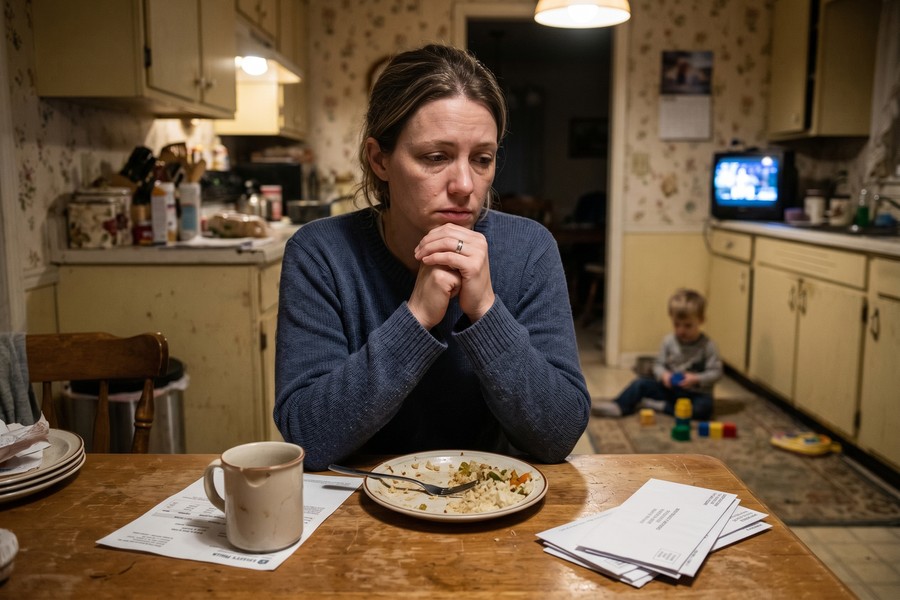
According to CFPB data, BNPL users are 3 times more likely to have maxed-out credit cards and 2 times more likely to have been overdrafted than non-users, signaling that BNPL is often a last resort, not a lifestyle choice.
| Factor | Buy Now Pay Later | Payday Loan |
|---|---|---|
| Typical Loan Amount | $50–$1,500 per purchase | $100–$500 |
| Stated Cost | 0% interest (standard plans) | $15 per $100 borrowed |
| True APR Range | 0% to 36% (extended plans) | 200%–600%+ |
| Repayment Term | 6 weeks (4 payments) to 36 months | 14 days (single payment) |
| Late Fee | $7–$25 per missed payment | $15–$30 rollover fee per cycle |
| Credit Check | Soft check only (most providers) | None or soft check |
| Credit Reporting | Inconsistent; increasing | Often reports delinquencies only |
| Debt Spiral Risk | Slow accumulation across multiple plans | Rapid escalation via rollovers |
| Primary Regulator | CFPB (2024 rule) | CFPB + State regulators |
| Typical Borrower Age | 18–35 | 25–44 |
Step 4: What Are the Hidden Costs and Fees Most Borrowers Miss?
The most dangerous aspect of both products is not the stated cost, it is the costs borrowers never see coming. Understanding these hidden charges is the most actionable step toward reducing your buy now pay later risk and payday loan exposure.
Hidden BNPL Costs
Most BNPL plans advertise zero interest, but longer-term BNPL financing plans, those lasting 6 to 36 months, typically charge 10%–36% APR. These products look like standard BNPL at checkout but are structured as installment loans.
Deferred interest is another hidden hazard. Miss a single payment on a deferred-interest BNPL plan and some providers retroactively charge interest on the entire original purchase amount, not just the remaining balance. The CFPB has flagged this practice as particularly harmful.
Hidden Payday Loan Costs
Rollover fees are the most notorious hidden cost. A borrower who rolls over a $300 loan four times pays $240 in fees before repaying a single dollar of principal. That is an effective 80% cost on a $300 loan, before the principal is even addressed.
Non-sufficient funds (NSF) fees add another layer. When lenders attempt automatic repayment draws and funds are unavailable, banks charge $30–$35 per failed transaction. Some lenders attempt multiple draws per day, multiplying the damage.
Before signing any BNPL or payday loan agreement, look for the words “deferred interest” and “automatic renewal” in the fine print. These two phrases signal the highest-risk versions of each product. Ask the lender to explain the worst-case scenario in writing before you proceed.
Neither product category is well-suited to borrowers who cannot absorb a single missed payment without cascading consequences. That is a real limitation worth stating plainly: both BNPL and payday loans are designed for use by people with predictable short-term cash flow, not by people whose income is already stretched. Reaching for either product during a period of financial instability often converts a temporary shortfall into a prolonged one.
The hidden architecture of BNPL creates a specific kind of danger. Unlike a single payday loan with one due date, BNPL spreads obligations across multiple uncoordinated schedules, meaning a borrower with four open plans may owe money on six or seven different dates in a given month, according to analysis from the National Consumer Law Center. That fragmentation makes budgeting harder, not easier.
Step 5: How Does Each Option Affect Your Credit Score?
The credit score impact of BNPL and payday loans is asymmetric: both can hurt your score, but neither consistently helps it. This is one of the most misunderstood aspects of buy now pay later risk.
BNPL and Credit Reporting
As of mid-2025, the three major credit bureaus, Equifax, Experian, and TransUnion, have all developed BNPL data reporting frameworks. Reporting remains inconsistent, though. Some BNPL providers report on-time payments; many still only report delinquencies or collections.
This creates a lose-lose scenario for many borrowers. No credit score benefit arrives from paying on time, but a single missed payment can still appear on your report and drop your score by 50–100 points if it goes to collections.
Payday Loans and Credit Reporting
Traditional payday lenders rarely report to the major bureaus for on-time payment. They do, however, report to specialty consumer reporting agencies like Clarity Services and CoreLogic Teletrack. A default is almost always reported to collections, which lands on your standard credit report.
For a broader look at the quiet ways debt products damage credit, our article on hidden credit score killers most people never suspect covers BNPL, payday loans, and other lesser-known threats in detail.
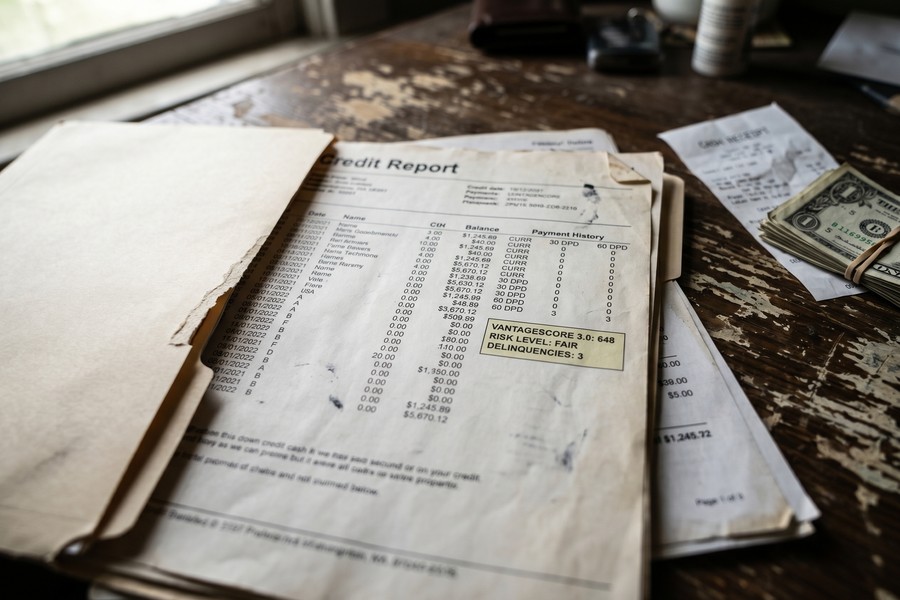
When a BNPL account goes to a third-party debt collector, it appears on your credit report under the collector’s name, not the BNPL brand. Many borrowers dispute these entries without realizing they originated from a forgotten BNPL purchase. Before filing a dispute, check the CFPB complaint database to verify the collector’s legitimacy.
Step 6: What Consumer Protections Apply to BNPL and Payday Loans in 2025?
Regulatory protections for both products are stronger in 2025 than at any point in history, but knowing which rules apply where requires understanding a patchwork of federal and state frameworks.
Federal Protections for BNPL Borrowers
In May 2024, the CFPB issued an interpretive rule classifying BNPL lenders as credit card issuers under the Truth in Lending Act (TILA). This means BNPL providers must now issue periodic statements, credit borrowers for returned purchases, and investigate billing disputes. This is the most significant federal BNPL protection ever enacted.
The rule does not cap fees or interest rates on longer-term BNPL plans. For complete detail on how consumer protection laws changed in 2024 and 2025, see our dedicated guide on consumer protection law changes and what they mean for borrowers.
Federal and State Protections for Payday Loan Borrowers
The CFPB’s Payday Lending Rule requires lenders to assess a borrower’s ability to repay before issuing a loan, though enforcement has been uneven. At the state level, 18 states and the District of Columbia have effectively banned payday loans by capping rates at 36% APR, according to the CFPB’s payday lending data.
Believing a lender has violated your rights? Filing a complaint through the CFPB complaint database is often the fastest path to resolution. You can also reference our article on common mistakes borrowers make when filing a CFPB complaint before submitting.
The Military Lending Act (MLA) caps all consumer credit, including payday loans and many BNPL products, at 36% APR for active-duty service members and their dependents. This protection applies automatically regardless of which state you are in.
Step 7: What Are the Safer Alternatives If You Need Money Now?
Both BNPL and payday loans should be last resorts when you are facing a financial gap. Specific alternatives carry lower costs, stronger protections, and less buy now pay later risk or payday loan exposure.
Alternatives to Consider First
- Credit union payday alternative loans (PALs): Federally chartered credit unions offer PALs capped at 28% APR for amounts between $200 and $1,000, with repayment terms of one to six months.
- Employer paycheck advances: Many employers now offer wage access apps like DailyPay or Even that let you draw earned wages before payday for a flat fee of $1–$3 per transaction.
- Cash advance apps: Apps like Earnin, Dave, and Brigit advance up to $500 with no mandatory fees, though optional tips can raise the effective cost. Our comparison of cash advance apps versus emergency personal loans breaks down when each makes sense.
- Community assistance programs: Organizations like the Salvation Army, Catholic Charities, and local community action agencies offer emergency cash assistance for utilities, rent, and food with no repayment required.
- Negotiated payment plans: For medical bills, utilities, or landlords, a directly negotiated installment plan almost always beats any loan product in total cost.
What to Watch Out For
Even among “safer” alternatives, predatory terms exist. Always calculate the APR equivalent of any fee-based advance. A $5 fee to advance $100 for one week equals an APR of approximately 260%, not quite payday loan territory, but far from free.
Dealing with existing short-term debt on top of a new emergency? Our guide on short-term loans after medical bills for borrowers with existing debt addresses exactly that compounding challenge.
Considering a BNPL plan for a purchase you could delay by even two to three weeks? Waiting is the single most powerful risk-reduction strategy available. Most BNPL debt is for non-essential purchases. A brief delay to save the cash eliminates buy now pay later risk entirely for that transaction.
Frequently Asked Questions
Is buy now pay later actually free if there is no interest?
No. The cost is often embedded in late fees, deferred-interest clauses on longer plans, and the behavioral tendency to spend more than you otherwise would. Standard “pay in 4” plans carry no interest if paid on time, but late fees of $7–$25 per missed payment can apply, and many extended BNPL plans charge 10%–36% APR. The CFPB has documented that BNPL users consistently spend more and save less than non-users.
Can BNPL hurt my credit score even if I pay on time?
In specific circumstances, yes. Holding multiple open BNPL accounts simultaneously may be interpreted by some credit scoring models as elevated debt load, particularly as BNPL providers begin reporting to major bureaus. The safest rule: treat each BNPL account as a line of credit on your report, because under the CFPB’s 2024 ruling, that is increasingly what it is.
What happens if I stop paying a payday loan?
The lender will typically attempt multiple automatic withdrawals from your linked bank account, potentially triggering $30–$35 NSF fees per attempt. After 60–90 days, most lenders sell the debt to a collections agency, which then reports the delinquency to credit bureaus, damaging your credit score and potentially generating a lawsuit. Contact the lender immediately to negotiate a payment plan before the loan goes to collections.
Which is worse for someone already in debt, BNPL or a payday loan?
For someone already stretched financially, a payday loan is generally more immediately dangerous due to its triple-digit APR and lump-sum repayment structure. BNPL can be equally harmful over time but tends to damage more slowly through stacked obligations. Neither is advisable when your finances are already under pressure. Consider a credit union PAL or a negotiated payment plan first, and review your options with our guide on negotiating short-term loan repayment terms before signing anything.
Are there BNPL plans that are actually safe to use?
Relatively safe use is possible under specific conditions: the purchase is something you could afford to pay in full, the plan charges no deferred interest, and you hold only one active BNPL account at a time. The core buy now pay later risk is not the product structure itself, it is the ease of stacking multiple plans simultaneously on a limited income. Used with discipline for a single discretionary purchase with a clear repayment plan, BNPL carries manageable risk. Used as a substitute for income you do not have, it does not.
How do I know if a payday lender is operating legally in my state?
Check your state’s banking or financial regulation department website to verify a payday lender’s license. 18 states plus Washington D.C. have banned payday loans outright by capping rates at 36% APR. A lender offering a loan in one of these states is likely operating illegally or as a tribal lender outside state jurisdiction. Our guide on tribal loans versus state-licensed lenders explains these distinctions in detail.
Should I use BNPL to pay for groceries or utilities when I am short on cash?
Using BNPL for groceries or utilities signals that your income cannot cover basic necessities, which means a BNPL plan is a short-term patch, not a solution. The CFPB has specifically flagged BNPL use for essentials as a warning sign of financial distress. Before reaching for BNPL for necessities, explore local assistance programs, 211.org referrals, or an employer paycheck advance, which typically cost far less and carry no debt accumulation risk.
Can I negotiate the terms of a payday loan before signing?
Many payday lenders will negotiate terms, particularly repayment timelines, if you ask before signing or before missing a payment. Some states legally require lenders to offer extended repayment plans at no additional cost upon request. Reviewing what is negotiable before signing any short-term loan is always worth doing; our article on how to negotiate short-term loan repayment terms walks through exactly what to ask for.
Does using BNPL affect my ability to get a mortgage later?
BNPL can affect mortgage eligibility as reporting standards evolve. Mortgage underwriters at lenders like Fannie Mae and Freddie Mac are increasingly instructed to evaluate BNPL obligations as recurring debt when calculating your debt-to-income ratio. Multiple open BNPL accounts can reduce the mortgage amount you qualify for, even if every payment has been made on time.
Is there anyone for whom payday loans are genuinely the least-bad option?
In narrow cases, yes, specifically when a borrower faces a one-time, verifiable expense that would trigger a worse fee (such as a utility reconnection charge or a bounced rent check penalty that exceeds the payday loan fee), has no access to credit unions or employer advances, and is certain their next paycheck will cover full repayment without a rollover. That combination is rarer than lenders imply. Most borrowers who believe they meet these conditions underestimate the rollover risk, which is why the CFPB data shows more than 80% of payday loans are not repaid in full on the first due date.