

Fact-checked by the onlinepaydaynews.com editorial team
If you’ve ever stared at an unexpected bill and felt that familiar knot in your stomach, you’re not alone. Most people assume their only options in a financial emergency are maxing out a credit card, calling a family member, or walking into a payday lender — but the landscape of emergency finance options 2026 has quietly shifted in meaningful ways. Lenders, credit unions, and fintech platforms have made real improvements that most borrowers haven’t heard about yet.
The stakes are real. According to a Federal Reserve report on household economic well-being, roughly 37% of American adults would struggle to cover an unexpected $400 expense using cash or its equivalent. That’s more than one in three people — and it’s a figure that hasn’t budged nearly enough despite years of economic growth.
This guide breaks down exactly which emergency borrowing tools have improved, which ones carry hidden risks, and how to match the right option to your specific situation. You’ll walk away with a clear picture of what’s available, what’s changed, and what steps to take when a crisis hits.
Key Takeaways
- Over 37% of U.S. adults can’t cover a $400 emergency with cash, making fast-access credit options more important than ever.
- Credit union payday alternative loans (PALs) now cap rates at 28% APR — far below the average payday loan rate of 391% APR.
- Buy Now, Pay Later (BNPL) emergency use has grown by over 40% since 2024, but new 2026 regulations now require clearer fee disclosures.
- Cash advance apps like those offering earned wage access can now deliver funds in under 60 minutes at little to no cost for many workers.
- New open banking rules effective in 2026 allow lenders to assess borrowers on cash flow — not just credit scores — opening doors for millions of thin-file consumers.
- Emergency personal loans from online lenders now fund in as little as one business day, with APRs starting around 7.99% for qualified borrowers.
In This Guide
- What Actually Changed in 2026 for Emergency Borrowers
- Cash Advance Apps and Earned Wage Access
- Credit Union Emergency Loans
- Online Emergency Personal Loans
- Buy Now, Pay Later in an Emergency
- Open Banking and Cash Flow Lending
- Community Programs and Nonprofit Emergency Funds
- What to Avoid When You’re Desperate
What Actually Changed in 2026 for Emergency Borrowers
The emergency lending market hasn’t just grown — it’s been restructured. Regulatory changes, new technology, and increased competition have pushed many lenders to offer faster, cheaper, and more transparent products than they did even two years ago.
The biggest driver? Open banking regulation. A rule finalized by the Consumer Financial Protection Bureau requires financial institutions to share consumer financial data — with permission — with third-party lenders. This means lenders can now see your income and spending patterns directly, rather than relying solely on your credit score.
Regulatory Changes That Helped Borrowers
New CFPB final rules effective in 2026 tightened oversight on cash advance apps, BNPL providers, and short-term lenders. Providers must now disclose fees as APR equivalents, making it easier to compare costs across products. If you want a deeper breakdown of how these rules affect you, the guide on consumer protection law changes in 2026 covers each major update in plain language.
Competition from fintech has also pushed traditional banks to respond. Many large banks have quietly rolled out small-dollar emergency loan programs — some offering up to $500 at no interest for existing checking customers.
What Hasn’t Changed
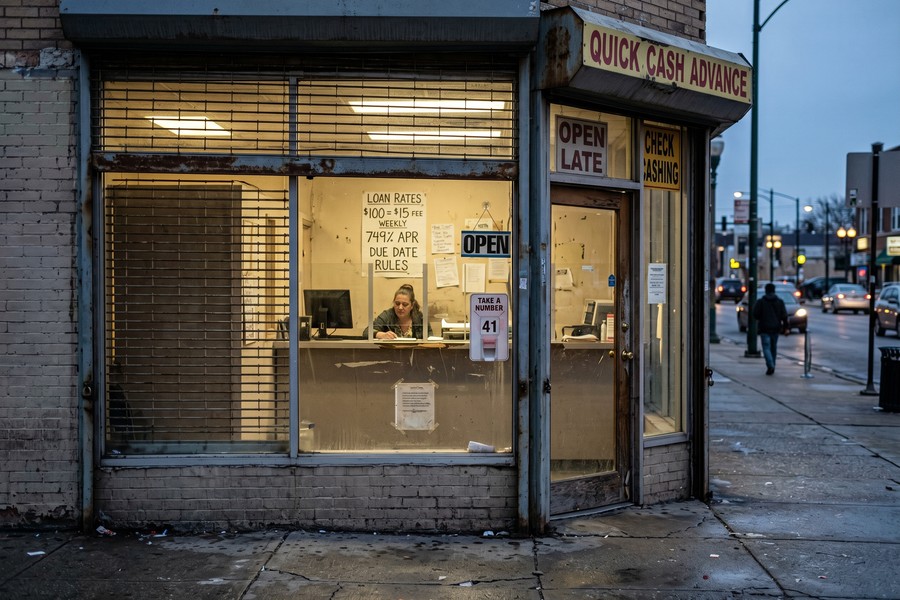
Predatory lenders are still operating in every state. Triple-digit APRs are still legal in many places, and some app-based products still obscure their true costs through “tips” and “express fees.” Knowing how the market has improved is important — but knowing what still poses risks is just as critical.
As of 2026, over 30 states now have some form of small-dollar loan rate cap, compared to just 18 states in 2020. This shift has driven predatory lenders out of certain markets and pushed more borrowers toward regulated options.
Cash Advance Apps and Earned Wage Access
Earned wage access (EWA) apps allow workers to tap into pay they’ve already earned before payday arrives. In 2026, this category has matured significantly. More employers are offering EWA as a built-in benefit, and standalone apps have become faster and more affordable.
Apps like Dave, Brigit, EarnIn, and DailyPay now offer same-day or instant transfers. Many charge nothing for standard delivery and only a small optional fee for instant access. This makes them one of the lowest-cost emergency finance options 2026 has produced.
How EWA Apps Have Improved
The 2026 CFPB guidance clarified that EWA products tied to actual wages earned — not arbitrary credit limits — are subject to specific disclosure rules. Providers must now show the effective cost of any “tip” or “express fee” in percentage terms. This single change has made cost comparison far easier.
For gig workers and freelancers, app eligibility has also broadened. Several platforms now connect to bank account data (via open banking) rather than requiring direct employer payroll integration. If you’re comparing these tools to traditional short-term loans, the detailed breakdown in cash advance app vs emergency personal loan is worth reading before you decide.
Always check whether a cash advance app reports to credit bureaus. A handful now do — which means on-time repayment can actually help build your credit score while covering an emergency.
Limits You Should Know About
EWA apps typically cap advances at $100–$750 per pay period. That’s fine for a car repair or utility bill, but it won’t cover a major medical expense or sudden job loss. They work best as a first layer of emergency coverage — not a complete solution.
Credit Union Emergency Loans
Credit union emergency loans remain one of the most underused tools in a financial crisis. They’ve gotten meaningfully better in 2026, with faster approval timelines and expanded membership access.
The National Credit Union Administration (NCUA) allows federally chartered credit unions to offer Payday Alternative Loans (PALs) — capped at 28% APR with no prepayment penalties. New PAL III guidelines introduced in 2025-2026 expanded loan sizes to up to $2,000 and extended repayment terms to 24 months.
Faster Funding, Broader Access
Historically, credit unions required in-person visits and long membership waiting periods. Many have eliminated that barrier. Online membership applications now take minutes, and some credit unions fund PALs within 24 hours of approval.
Community Development Financial Institutions (CDFIs) — a category that includes many credit unions — also expanded their emergency lending programs through federal grants. If you live in a rural area with limited banking options, the guide on emergency finance for rural borrowers with limited bank access covers credit union and CDFI options specific to your situation.
Credit union Payday Alternative Loans carry an average APR of 28% — compared to the national average payday loan APR of 391%, according to the Center for Responsible Lending. That’s a cost difference of over 13 times for the same loan amount.
How to Join a Credit Union Quickly
Many credit unions have open membership based on where you live, work, or worship. Websites like MyCreditUnion.gov’s locator tool let you find eligible institutions in minutes. Some have a one-time membership fee as low as $5.

Online Emergency Personal Loans
Online personal loans have become one of the most competitive segments of the emergency finance market. Lenders like LightStream, Upstart, SoFi, and dozens of others now offer unsecured personal loans with same-day or next-day funding in many cases.
In 2026, the speed and accessibility of these loans improved further. Automated underwriting, open banking data, and AI-driven risk models have reduced the time from application to funding to as little as one business day. For borrowers with good credit, rates start around 7.99% APR — far below credit card cash advance rates.
What Lenders Look At Now
Modern online lenders use more than your FICO score. Many now pull bank account data (with your permission) to verify income, spending stability, and ability to repay. This has opened approval doors for borrowers who have thin credit files but steady income.
If you’re navigating the comparison process, it’s worth understanding how to evaluate offers carefully. The article on how to compare short-term loan offers without being fooled by low APR claims explains the difference between advertised rates and what you’ll actually pay.
Best Use Cases for Online Personal Loans
Online personal loans work well for emergencies in the $1,000–$10,000 range where you need fast funding and can commit to a fixed repayment schedule. They’re less ideal if your credit score is below 580, in which case a PAL or EWA app may be more accessible.
“The best emergency loan is the one you can actually qualify for at a cost you can realistically repay. Chasing the lowest rate on paper but ignoring eligibility requirements wastes precious time in a crisis.”
| Product | Typical APR Range | Typical Funding Speed | Best For |
|---|---|---|---|
| EWA / Cash Advance App | 0%–15% effective | Minutes to 1 day | Small gaps up to $750 |
| Credit Union PAL | 18%–28% | 1–3 business days | $200–$2,000 needs |
| Online Personal Loan | 7.99%–36% | 1–2 business days | $1,000–$10,000 needs |
| Bank Small-Dollar Loan | 0%–12% | Same day (existing customers) | Up to $500 for bank customers |
| BNPL (emergency use) | 0%–30%+ if missed | Instant at checkout | Specific purchases only |
| Payday Loan | 300%–400%+ | Same day | Last resort only |
Buy Now, Pay Later in an Emergency
Buy Now, Pay Later (BNPL) services have expanded well beyond retail shopping. In 2026, platforms like Affirm, Klarna, and Afterpay are available for medical bills, car repairs, home services, and even some utility payments — making them a legitimate emergency finance option 2026 borrowers are increasingly turning to.
The 0% interest offers are real — but only if you pay on time. Miss a payment and many BNPL products switch to interest rates of 20–30% or higher, sometimes retroactively applied to the full purchase amount.
New Disclosure Rules in 2026
New CFPB rules now require BNPL providers to offer the same dispute rights and refund protections as credit card issuers. They must also disclose fees in APR terms. This makes BNPL more comparable to other products — and easier to evaluate honestly.
BNPL works best when the payment is for a specific, verifiable expense (a medical procedure, a car repair) and you can comfortably meet the installment schedule. It’s not a good fit for covering rent, groceries, or general cash shortfalls. For a side-by-side cost breakdown, see BNPL vs short-term loans: which actually costs less when you’re stretched thin.
As of 2026, several major hospital networks and medical billing companies accept BNPL at the point of care — meaning you can split a $1,200 emergency room bill into four interest-free payments of $300 without applying for a medical credit card.
Open Banking and Cash Flow Lending
Open banking is arguably the most significant structural shift in emergency lending in the past decade. It refers to a framework where — with your explicit consent — your bank shares your transaction data with third-party lenders and apps.
For emergency borrowers, this is a genuine game changer. Lenders can now see your actual income deposits, monthly obligations, and spending patterns. A borrower with a low credit score but consistent paychecks and manageable bills may now qualify for loans that were previously out of reach.
Who Benefits Most
The borrowers who gain the most from open banking lending are those with thin credit files — recent immigrants, young adults, people who primarily use cash, and gig workers with variable income. The guide on how someone with no credit history built a lendable score in under a year illustrates how cash flow data is changing lender decisions in real-time.
Lenders using cash flow underwriting include Upstart, Petal, and several credit unions that have partnered with fintech platforms. The criteria they assess include income frequency, average monthly inflows, and overdraft patterns — not just a three-digit score.
Privacy Considerations
Open banking is opt-in. You must actively authorize a lender to pull your bank data — no lender can access it without permission. The 2026 CFPB rule also limits how long that data can be retained and restricts lenders from selling it to third parties. Always revoke access after your loan closes if you prefer not to maintain ongoing data sharing.
In a 2025 study by the Financial Health Network, borrowers underwritten using cash flow data received approval rates 22% higher than those evaluated on credit scores alone — with no significant increase in default rates for lenders.

Community Programs and Nonprofit Emergency Funds
One of the most overlooked categories in emergency finance options 2026 offers is the network of community-based programs and nonprofit emergency funds. These programs have expanded significantly, partly fueled by federal ARPA dollars and state-level emergency assistance programs.
Many of these programs offer zero-interest loans or direct grants — money you don’t pay back. Eligibility requirements vary, but many are income-based rather than credit-based, making them accessible to borrowers who can’t qualify for commercial products.
Where to Find These Programs
The best starting point is Benefits.gov, the federal government’s portal for identifying assistance programs by state and situation. Local Community Action Agencies, United Way chapters, and religious organizations also maintain emergency funds. Many now accept online applications and can process grants within 48–72 hours.
If a natural disaster or declared emergency is involved, the options expand significantly. The comprehensive resource guide on natural disaster emergency funding covers FEMA programs, SBA disaster loans, and state-level resources in detail.
Employer Emergency Assistance Programs
Many large employers quietly maintain employee emergency assistance funds — often administered through the HR department or an employee assistance program (EAP). These can provide interest-free salary advances or small grants for qualifying hardships. If you’re employed, it costs nothing to ask HR whether such a fund exists.
Some websites claiming to connect borrowers with “nonprofit emergency grants” are actually lead-generation services that sell your personal information to lenders. Verify any organization’s legitimacy on GuideStar (Candid) or your state’s charity registry before submitting personal data.
What to Avoid When You’re Desperate
Desperation is the predatory lender’s best friend. When you’re under financial pressure, the pressure to act fast can push you toward options that make the situation dramatically worse. Knowing what to avoid is as important as knowing what works.
Traditional payday loans remain the most expensive form of credit available. Despite rate caps in more than 30 states, they still carry effective APRs of 300–400% in states without restrictions. The trap of rolling over a two-week loan into a months-long debt cycle hasn’t changed.
Red Flags in Modern Lending
In 2026, predatory products have adapted. Some online lenders use confusing “membership fee” structures to disguise loan costs. Others advertise 0% financing but bury large origination fees in the fine print. Before signing anything, make sure you understand the total repayment amount — not just the monthly payment.
If a lender asks you to pay upfront before receiving funds, that’s a scam. Legitimate lenders deduct fees from the disbursement or include them in the loan balance. For guidance on identifying these red flags, the article on predatory vs fair lending: how to tell the difference is an essential read before you sign anything under pressure.
“The most dangerous moment for a borrower is the 24 hours after an emergency hits. That’s when people make decisions that cost them thousands of dollars in unnecessary fees and interest.”
Checking Lender Legitimacy
Before borrowing from any lender you haven’t used before, run a quick check. Look them up on the CFPB complaint database — a step-by-step walkthrough of how to use that resource is available in the guide on using the CFPB complaint database before you borrow. Verify their state licensing through your state’s financial regulator website. If a lender isn’t licensed in your state, walk away.
Your Action Plan
-
Assess the exact amount you need
Before reaching out to any lender or program, write down the specific dollar amount needed and the deadline. Different emergency finance options 2026 offers are optimized for different amounts — an EWA app is ideal for $300, while a personal loan makes more sense for $3,000.
-
Check your employer benefits first
Contact HR or check your employee benefits portal immediately. Many employers offer zero-cost salary advances, EAP emergency grants, or BNPL access to healthcare providers through workplace benefits. This step costs nothing and could resolve your crisis without debt.
-
Apply to a credit union PAL if eligible
If you’re already a credit union member, apply for a Payday Alternative Loan before looking at commercial options. If you’re not a member, check eligibility at MyCreditUnion.gov — you may qualify in minutes. PALs offer the best rate-to-speed combination for most borrowers in the $200–$2,000 range.
-
Use an EWA app for immediate small gaps
If you need less than $750 and it’s before your next paycheck, download a reputable EWA app and enable open banking access. Many fund within the hour at no cost. This is a bridge — not a substitute for a longer-term plan.
-
Compare at least two online personal loan offers
If you need $1,000 or more, get pre-qualified with at least two online lenders. Pre-qualification uses a soft credit pull and won’t affect your score. Compare the total repayment amount — not just the APR — before accepting any offer.
-
Search for nonprofit and community assistance
Run a search on Benefits.gov and call your local United Way 211 helpline. Even if you’re not sure you qualify, it’s worth five minutes. Grant money you don’t have to repay should always be pursued before any loan product.
-
Verify any lender on the CFPB database
Before submitting a full loan application anywhere, confirm the lender has no major complaint patterns in the CFPB database and is licensed in your state. This 10-minute check can save you from a predatory trap during an already stressful situation.
-
Make a same-day repayment plan
The moment you receive emergency funds, map out exactly how and when you’ll repay them. Set automatic payments if available. Emergency finance options 2026 are better than they’ve ever been — but only if you use them as a bridge to stability, not a starting point for a debt cycle.
Frequently Asked Questions
What are the fastest emergency finance options in 2026?
The fastest options are EWA apps (funds in minutes), BNPL at point of sale (instant approval), and some online personal loans (same-day disbursement). If speed is the priority, start with an EWA app for amounts under $750 and an online personal loan pre-qualification for larger needs.
Can I get emergency funds with bad credit in 2026?
Yes — more easily than before. Open banking has allowed lenders to assess income and spending patterns rather than relying solely on credit scores. Credit union PALs have minimal credit requirements. EWA apps typically don’t check credit at all. Some online lenders using AI underwriting (like Upstart) also approve borrowers with scores below 620.
Are cash advance apps safe to use?
Reputable apps like EarnIn, Dave, and Brigit are legitimate products with regulatory oversight as of 2026. The key safety check is verifying that the app is subject to new CFPB disclosure rules — meaning they must show you the APR equivalent of any fees charged. Avoid any app that pressures you to leave large “tips” or that doesn’t clearly disclose its total cost before you confirm.
What is the difference between a PAL and a regular payday loan?
A Payday Alternative Loan (PAL) from a federal credit union is capped at 28% APR and comes with a repayment term of one to 24 months. A traditional payday loan carries an average APR of 391% and is typically due in full on your next payday — a structure that traps many borrowers in repeat borrowing cycles. PALs are regulated by the NCUA; payday loans are regulated (loosely, in many states) at the state level.
How does open banking affect my privacy?
Open banking access is strictly opt-in under 2026 CFPB rules. You must actively authorize any lender to access your bank data, and you can revoke that authorization at any time. Lenders cannot sell your data to unrelated third parties, and they must delete it after a specified period. Read any app’s privacy policy before granting access and revoke permissions after your loan closes.
Is BNPL a good idea for a medical emergency?
It can be — if the provider offers a true 0% installment plan and you’re confident you can meet each payment. In 2026, many hospital systems and medical providers accept BNPL at point of care. The risk is missing a payment and triggering deferred interest. Before using BNPL for medical bills, also ask the provider about their internal interest-free payment plan, which may carry even lower risk.
What if I need emergency money and I’m self-employed?
Self-employed borrowers have more options than ever in 2026. Open banking lenders can verify income through bank transaction data rather than employer pay stubs. Several EWA apps now accept gig workers. Credit union PALs are available regardless of employment type. For a comprehensive breakdown of what lenders look for with non-traditional income, see the guide on short-term loans for freelancers with irregular income.
Can emergency borrowing actually help my credit score?
It can — if you choose the right product. Some cash advance apps and credit-builder tools now report on-time repayments to one or more credit bureaus. Personal loans from online lenders also report to all three major bureaus. Paying on time every month builds positive payment history, which is the single largest factor in your credit score. Just make sure you understand whether a product reports to bureaus before using it for that purpose.
What are the biggest mistakes people make when seeking emergency funds?
The most common mistakes are: applying to the first option they find without comparing costs, using a payday loan when a PAL or EWA app would cost far less, failing to check lender legitimacy before sharing personal information, and borrowing more than they need because it’s available. The emergency itself creates urgency — but the borrowing decision should still take at least 15–20 minutes of comparison.
Are there emergency finance options for people facing eviction or housing crisis?
Yes. Emergency Rental Assistance Programs (ERAP) remain active in many states, funded by federal allocations. Local community action agencies and HUD-approved housing counselors can connect you with both grant assistance and emergency loan products. The step-by-step guide on emergency cash for renters facing eviction walks through these options in detail and includes contact resources by state.
Sources
- Federal Reserve — Report on the Economic Well-Being of U.S. Households
- Consumer Financial Protection Bureau — Final Rules and Regulations
- National Credit Union Administration — Payday Alternative Loans (PALs)
- MyCreditUnion.gov — Credit Union Locator
- Benefits.gov — Federal Benefits and Assistance Programs
- Center for Responsible Lending — Payday Loan Interest Rates Research
- Financial Health Network — FinHealth Spend Report
- National Consumer Law Center — Payday Lending Resources
- Consumer Financial Protection Bureau — Open Banking Explained
- FDIC — Consumer Resources and Banking Information
- Urban Institute — Who Uses Buy Now, Pay Later
- HUD.gov — Emergency Homeowner and Renter Assistance Programs