
Fact-checked by the onlinepaydaynews.com editorial team
Quick Answer
Debt collector harassment is illegal under the Fair Debt Collection Practices Act (FDCPA), which prohibits threatening language, calls before 8 a.m. or after 9 p.m., and contacting you after a written cease request. As of July 2025, collectors who violate these rules face fines up to $1,000 per violation plus your attorney’s fees. You can stop harassment by sending a cease-and-desist letter, filing a complaint with the CFPB, and suing in federal court.
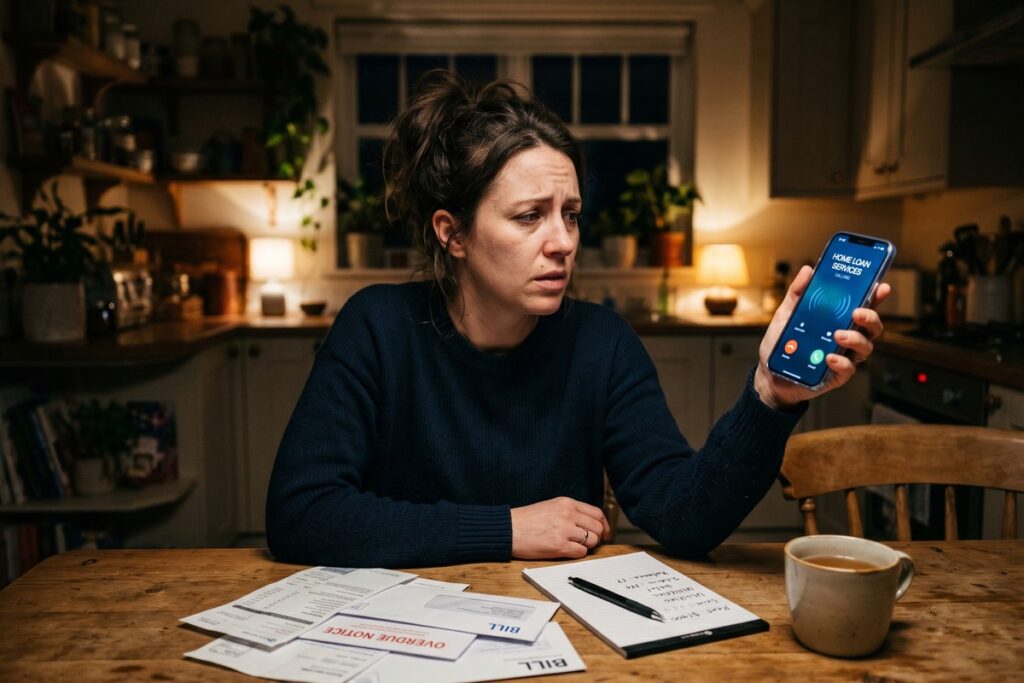
If a debt collector is calling you repeatedly, threatening you, or contacting your employer without permission, you are experiencing debt collector harassment — and it is against federal law. The Fair Debt Collection Practices Act (FDCPA), enforced by the Federal Trade Commission and the Consumer Financial Protection Bureau, gives consumers a powerful legal shield. As of July 2025, the CFPB receives more than 75,000 debt collection complaints per year, making it one of the top consumer complaint categories in the country.
Debt collection abuse has intensified in recent years. Third-party collection agencies now hold more than $140 billion in consumer debt, and aggressive tactics have surged alongside that growth. New electronic communication rules introduced by the CFPB’s Regulation F in 2021 expanded the channels collectors can legally use — and the ways they can cross the line — making this a timely issue for millions of Americans.
This guide is for anyone who is being contacted by a debt collector and wants to know exactly what collectors are forbidden to do, how to document violations, and how to fight back effectively. By the end, you will know your rights under federal law and have a clear action plan.
Key Takeaways
- The FDCPA (15 U.S.C. § 1692) prohibits debt collectors from calling before 8 a.m. or after 9 p.m. in your local time zone, according to the FTC’s FDCPA text.
- Collectors who violate the FDCPA can be sued for up to $1,000 in statutory damages per lawsuit, plus actual damages and attorney’s fees, per CFPB guidance.
- The CFPB received more than 109,000 debt collection complaints in fiscal year 2023, the most of any financial product category, according to CFPB complaint data.
- After you send a written cease-and-desist letter, a collector must stop all contact except to notify you of specific legal action, as outlined in FDCPA Section 805(c).
- The CFPB’s Regulation F caps collector calls at 7 phone attempts per week per debt and prohibits more than one actual conversation per week, per CFPB Regulation F.
- Collectors are prohibited from discussing your debt with anyone except you, your spouse, or your attorney, making third-party disclosure a standalone FDCPA violation, per FTC guidance.
In This Guide
- What Are Debt Collectors Legally Forbidden to Do?
- How Do I Know If a Debt Collector Is Harassing Me?
- How Do I Document Debt Collector Harassment for a Legal Claim?
- How Do I Legally Force a Debt Collector to Stop Contacting Me?
- How Do I File a Complaint Against a Debt Collector?
- Can I Sue a Debt Collector for Harassment?
- Frequently Asked Questions
Step 1: What Are Debt Collectors Legally Forbidden to Do?
Debt collectors are forbidden from using abusive language, making false statements, and engaging in unfair practices under the Fair Debt Collection Practices Act. The law defines three broad categories of prohibited behavior: harassment or abuse, false or misleading representations, and unfair practices.
Prohibited Harassment and Abuse
Under FDCPA Section 806, collectors cannot use obscene language, make repeated calls intended to annoy, or threaten violence. They cannot use phone calls as a harassment weapon — calling you 7 or more times in a single week about the same debt now violates the CFPB’s explicit call frequency cap under Regulation F.
Collectors are also banned from publishing your name on a “shame list” of people who owe debts. This prohibition extends to social media — a collector cannot post about your debt publicly in a way designed to coerce payment.
False or Misleading Statements
FDCPA Section 807 bans collectors from claiming to be attorneys or government officials when they are not. They cannot falsely imply that you have committed a crime, misrepresent the amount you owe, or threaten legal action they cannot legally take or do not actually intend to take.
Unfair Practices
Section 808 prohibits collectors from collecting amounts not authorized by your original agreement, depositing post-dated checks early, or threatening to seize property without legal authority to do so. Many consumers are unaware that adding unauthorized fees or interest is itself a standalone violation.
The FDCPA applies only to third-party debt collectors — agencies hired to collect debts on behalf of original creditors. In most cases, if the original creditor (like your credit card company) is calling you directly, a different set of state laws and the CFPB’s UDAP authority may apply instead.
It is also worth understanding how collection accounts affect your overall financial picture. If you are weighing whether to pay or wait, our guide on whether to pay off collections or let them age off your credit report walks through the credit score math in detail.
Step 2: How Do I Know If a Debt Collector Is Harassing Me?
You are experiencing illegal debt collector harassment if a collector calls outside permitted hours, uses threatening language, contacts your employer without permission, or continues calling after you have requested in writing that they stop. Recognizing these specific behaviors is the first step toward taking legal action.
The Key Warning Signs
Watch for these concrete indicators that a collector has crossed the legal line:
- Calls before 8 a.m. or after 9 p.m. in your local time zone
- More than 7 calls in a single week about the same debt
- Threatening arrest, wage garnishment without a court order, or criminal prosecution
- Using profane, obscene, or abusive language
- Calling your workplace after being told your employer prohibits such calls
- Contacting your friends, family, or neighbors about your debt (beyond locating you)
- Refusing to identify themselves or the company they represent
- Claiming to be an attorney or law enforcement officer when they are not
What to Watch Out For
Not every aggressive tactic is obviously illegal. A collector who calls you five times in three days is still within the weekly limit — but if those calls are intended purely to harass rather than communicate, that pattern can still constitute a violation under FDCPA Section 806(5). Courts look at intent and frequency together.
According to CFPB complaint data, the most common debt collection complaints involve collectors continuing to contact consumers after being asked to stop (38% of complaints), followed by false representations about the debt and threatening illegal action.
For a deeper breakdown of which electronic contact tactics cross the line — including texts and emails — see our related article on illegal debt collection tactics: texts vs. calls.
Step 3: How Do I Document Debt Collector Harassment for a Legal Claim?
To build a strong legal case, you must create a contemporaneous written record of every collector contact, including the date, time, phone number, name of the collector, and exactly what was said. Courts and the CFPB rely heavily on documented evidence when evaluating FDCPA claims.
How to Do This
Start a dedicated log — a simple spreadsheet or notebook works — and record every contact immediately after it happens. Include:
- The exact date and time of the call, text, or letter
- The collector’s name, company name, and any badge or reference number they provide
- A verbatim or near-verbatim transcript of threatening or abusive statements
- Whether the call came before 8 a.m. or after 9 p.m.
- Whether you had previously sent a cease-and-desist letter
If calls are coming to your cell phone, check your carrier’s call log for timestamps. Many smartphones also allow you to record calls — check your state’s recording consent laws first, since 11 states require all parties to consent to being recorded.
What to Watch Out For
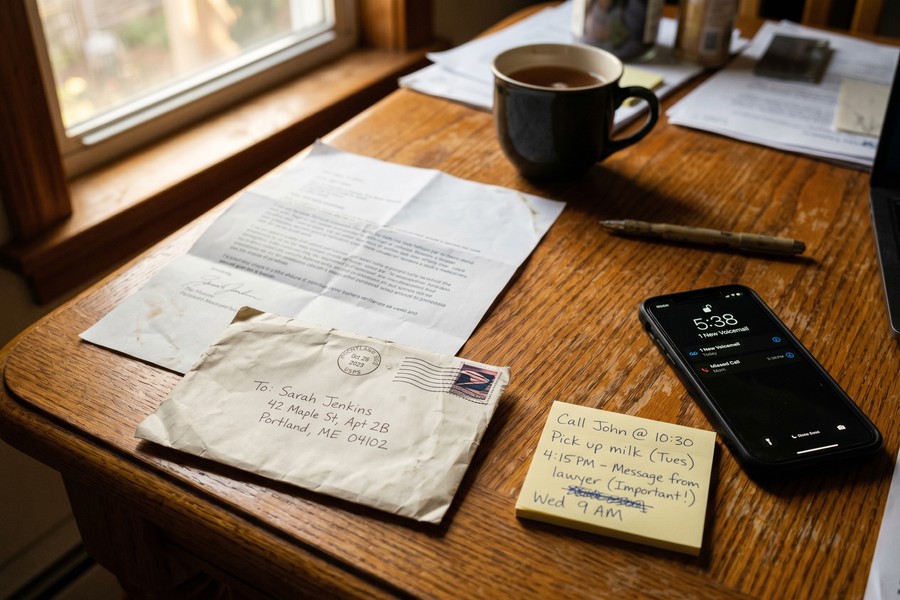
Do not delete voicemails — they are evidence. Save every letter and envelope (postmarks can prove when something was sent). If the collector sends an email, forward it to yourself with the full header data visible.
Request a debt validation letter within 30 days of the collector’s first contact. Under FDCPA Section 809, they must stop collection activity until they provide written verification of the debt. This letter also gives you the collector’s official business name and address — critical for filing complaints and lawsuits.
Step 4: How Do I Legally Force a Debt Collector to Stop Contacting Me?
You can legally stop a debt collector from contacting you by sending a written cease-and-desist letter via certified mail with return receipt. Once received, the collector may contact you only one more time — to confirm they are stopping contact or to notify you of a specific action like filing a lawsuit.
How to Write and Send the Letter
Your cease-and-desist letter does not need to be complex. It should include:
- Your full name and address
- The collector’s company name and address
- A clear statement: “I am requesting that you cease all communication with me regarding this debt pursuant to 15 U.S.C. § 1692c(c).”
- A request for written confirmation that they have received and will honor this request
Send the letter via USPS Certified Mail with Return Receipt Requested. Keep the green return receipt card and your certified mail tracking number. These are your proof that the letter was delivered.
What to Watch Out For
A cease-and-desist letter stops contact — it does not erase the debt. The collector can still sue you to collect what is owed. If you have reason to believe a lawsuit is imminent, consult a consumer law attorney before sending the letter, as stopping communication may accelerate their decision to sue.
“Consumers often don’t realize that a written cease communication request is one of the most powerful tools available to them under federal law. The moment a collector receives that letter, the clock starts ticking on their legal obligations.”
If your collector has also been calling your workplace, that is a separate violation. Our article on what the law allows when a debt collector calls your job explains the specific rules in detail.
| Your Response Option | What It Stops | What It Does NOT Stop | Best Used When |
|---|---|---|---|
| Written Cease-and-Desist Letter | All collector communication | Lawsuits, debt still owed | Harassment is severe; you want silence |
| Debt Validation Request | Collection activity until verified | Future contact after verification | You dispute the debt or amount |
| CFPB Complaint | May prompt investigation | Does not legally bind collector | Documenting violations for the record |
| Hiring a Consumer Attorney | Collector must contact attorney only | Debt liability | Lawsuit is likely; you want representation |
| Bankruptcy Filing | All collection activity (automatic stay) | Secured debt enforcement in some cases | Debt is overwhelming and unmanageable |
Step 5: How Do I File a Complaint Against a Debt Collector?
You can file a complaint against a debt collector with three agencies: the Consumer Financial Protection Bureau (CFPB), the Federal Trade Commission (FTC), and your state attorney general’s office. Filing with the CFPB is the most direct route because the bureau can contact the collector and requires a response within 15 days.
How to Do This
To file with the CFPB:
- Go to consumerfinance.gov/complaint
- Select “Debt collection” as the product type
- Describe the specific illegal behavior, including dates and the collector’s name
- Upload supporting documents (call logs, letters, voicemail transcripts)
- Submit and track your complaint using the confirmation number provided
The CFPB forwards your complaint to the company and publishes it in their public CFPB Complaint Database — a resource other consumers and researchers can also access. Companies typically respond within 15 days.
What to Watch Out For
Filing a CFPB complaint is not the same as suing. The CFPB can investigate and take enforcement action against repeat violators, but a complaint alone does not entitle you to compensation. For individual monetary recovery, you need to pursue a private lawsuit under the FDCPA.
The FDCPA has a one-year statute of limitations. If you plan to sue a collector for harassment, you must file your lawsuit within one year of the date the violation occurred. Do not wait. Document violations as they happen and consult an attorney promptly.
If you have never filed a CFPB complaint before, our beginner’s guide on common mistakes borrowers make when filing a CFPB complaint will help you avoid the errors that get complaints dismissed.

Step 6: Can I Sue a Debt Collector for Harassment?
Yes — you can sue a debt collector for FDCPA violations in federal or state court, and if you win, you are entitled to up to $1,000 in statutory damages per lawsuit, plus your actual damages and attorney’s fees paid by the collector. Many consumer attorneys take these cases on contingency, meaning you pay nothing upfront.
How to Do This
Start by consulting a consumer rights attorney who specializes in FDCPA cases. The National Association of Consumer Advocates (NACA) maintains a directory of member attorneys at consumeradvocates.org. Because the FDCPA requires collectors to pay your legal fees if you win, attorneys frequently take these cases without charging you upfront.
Your lawsuit must be filed in federal district court within one year of the violation. Small claims court is another option for minor violations if your damages are within your state’s small claims limit (typically $5,000–$10,000).
What to Watch Out For
The $1,000 statutory damage cap applies per lawsuit, not per violation. Even if a collector called you 50 times illegally, the maximum statutory recovery in a single lawsuit is $1,000 — though your actual damages (emotional distress, lost wages, etc.) can exceed that amount if documented properly.
“In class action cases where a collector’s illegal practices affect hundreds or thousands of consumers, plaintiffs can recover up to $500,000 or one percent of the collector’s net worth — whichever is less. Individual consumers should know they don’t have to fight alone.”
Before suing, send your documented evidence to the collector’s compliance department in a formal demand letter. Many collectors settle quickly to avoid litigation costs — a well-documented demand for $750–$1,000 often resolves without going to court.

Frequently Asked Questions
Can a debt collector text me at any time of day?
No. Under the CFPB’s Regulation F, the same time restrictions that apply to phone calls — no contact before 8 a.m. or after 9 p.m. in your local time — also apply to texts and emails. A collector who sends a text message at midnight is violating the FDCPA. You should document the timestamp and file a CFPB complaint immediately.
What happens if a debt collector calls my job after I told them not to?
If you have verbally told a collector that your employer prohibits such calls and they continue calling your workplace, that is a direct FDCPA violation under Section 805(a)(3). Document every workplace call with the date, time, and what was said. This is a strong standalone basis for a lawsuit, and many attorneys take these cases on contingency.
Can a debt collector contact my family members about my debt?
A collector can contact a third party only once and only to obtain your location information — not to discuss the debt. If a collector tells your relative or neighbor that you owe money, that is a violation of FDCPA Section 805(b) regarding third-party communication. This includes social media contact.
Is it debt collector harassment if they leave multiple voicemails?
It can be. If the voicemails are part of a pattern exceeding 7 calls per week on a single debt, or if they include threatening or abusive content, they qualify as harassment. Save every voicemail — they are admissible evidence in an FDCPA lawsuit and should be included in any CFPB complaint.
Can a debt collector threaten to have me arrested if I don’t pay?
No. Threatening arrest for an unpaid consumer debt is a false representation under FDCPA Section 807 and is flatly illegal. Failing to pay a credit card, medical bill, or payday loan is not a criminal offense in the United States. A collector who makes this threat has committed a clear, actionable FDCPA violation.
How do I know if the debt a collector is calling about is even valid?
Request a debt validation notice in writing within 30 days of first contact. The collector must provide the name of the original creditor, the amount owed, and information about your right to dispute. If they cannot validate the debt, they must cease collection. For older debts, also check whether the statute of limitations has expired in your state — if it has, the debt is time-barred.
Does the FDCPA apply to payday loan collectors?
Yes. The FDCPA applies to any third-party collector pursuing consumer debts, including payday loans. Payday loan collection is one of the most complaint-heavy categories tracked by the CFPB. If a collector is using harassment tactics to collect a payday loan, every FDCPA protection described in this guide applies to your situation.
What if I’m being harassed over a debt that isn’t mine?
Send a written dispute letter immediately stating the debt does not belong to you. Under FDCPA Section 809(b), the collector must stop collection activity until they provide verification. If they continue collection efforts after receiving your dispute, that is an FDCPA violation. You may also want to review your credit report for fraudulent accounts and dispute them directly with the credit bureaus.
Can a debt collector keep calling me if I make a partial payment?
Making a partial payment does not waive your FDCPA rights. A collector can continue contact regarding the remaining balance, but they must still follow all FDCPA rules — including call frequency limits, time restrictions, and prohibitions on abusive language. A partial payment also typically resets the statute of limitations on the debt in most states, so consult an attorney before sending any money on an old debt.
Sources
- Federal Trade Commission — Fair Debt Collection Practices Act Full Text
- Consumer Financial Protection Bureau — Debt Collection Consumer Tools
- CFPB — Debt Collection Practices (Regulation F) Final Rule
- CFPB — Consumer Complaint Database
- CFPB — Submit a Complaint
- FTC — Fair Debt Collection Practices Act Enforcement
- National Association of Consumer Advocates — Find an Attorney
- National Consumer Law Center — Fair Debt Collection Resources
- USA.gov — Debt Collection Laws and Your Rights
- FTC Consumer Advice — Debt Collection FAQs